
How to Preserve Evidence After a Michigan Accident
A crash on I-94 near Detroit, a dangerous intersection collision in Grand Rapids, or a wreck on a northern Michigan highway can leave people shaken, hurt, and unsure where to turn. Knowing how to preserve evidence after a Michigan accident can protect more than a future injury claim. It can help establish what happened, identify available insurance coverage, and support the no-fault benefits you need for medical care and recovery.
Evidence starts disappearing almost immediately. Vehicles are towed, debris is cleared, camera footage is overwritten, witnesses return to their routines, and insurers begin building their own files. You do not need to investigate a crash alone while you are in pain. But taking a few focused steps, or asking a family member to take them for you, can make a meaningful difference.
Preserve Evidence After a Michigan Accident Before the Scene Changes
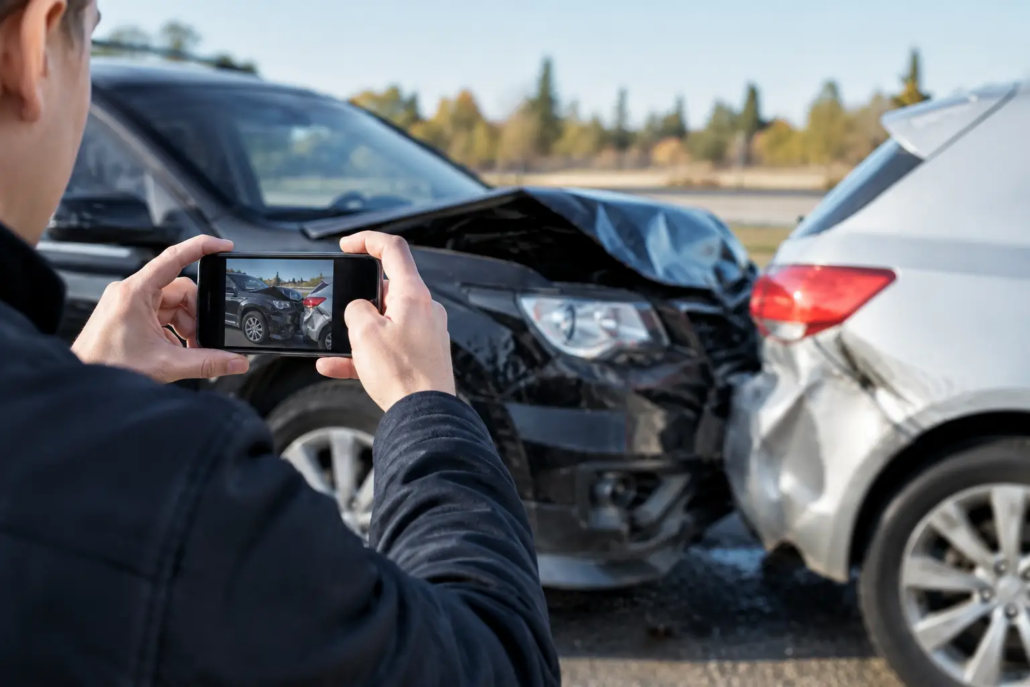
If you can do so safely, use your phone to photograph and video the crash scene before vehicles are moved. Take wide shots that show the overall roadway, intersection, traffic signals, weather, lighting, lane markings, skid marks, debris, and vehicle positions. Then take closer images of vehicle damage, deployed airbags, broken glass, license plates, visible injuries, and anything that may have contributed to the collision.
The details matter. In a high-speed crash, the length and location of skid marks may help explain speed or braking. At an intersection, photographs may capture an obstructed stop sign, a malfunctioning traffic signal, or the angle from which each driver approached. In a commercial-truck or rideshare crash, identifying markings on the vehicle, the company name, USDOT number, and any app-related information may become critical later.
Do not put yourself in danger to get pictures. Move out of traffic if possible, follow law enforcement instructions, and seek emergency care when you need it. A photograph is never worth worsening an injury or risking a second collision.
Get Names and Contact Information
Ask for the names, phone numbers, and email addresses of people who saw the crash. Independent witnesses can be especially valuable when drivers give different accounts of who had the right of way or who entered a lane first. If a witness is in a hurry, even a name and phone number can give your attorney a way to follow up.
Exchange information with the other driver, including their insurer and policy details, but keep the conversation brief and factual. Do not apologize, speculate about fault, or accept someone else’s version of events at the roadside. After a traumatic collision, people may not yet understand what occurred or how seriously they are injured.
Protect Physical Evidence and Digital Records
Do not rush to repair, sell, or dispose of your vehicle. The damage pattern may reveal the force and direction of impact, whether a vehicle was struck from behind or in the side, and whether safety systems performed as expected. This can be particularly significant in multi-vehicle pileups, wrong-way crashes, and disputes involving a commercial vehicle.
If the vehicle is declared a total loss, tell the insurance company in writing that you want an opportunity to inspect and document it before it is destroyed or transferred. Your lawyer may need to arrange an inspection, especially if there is a serious injury, a fatality, or a dispute about how the crash happened. The same concern can apply to damaged helmets, child safety seats, bicycles, clothing, and personal items. Keep them in their post-crash condition when practical.
Your phone may also hold valuable evidence. Save original photos and videos instead of relying only on text-message copies or social-media uploads, which can reduce quality or strip useful data. Back up your files to a secure account and avoid editing them. Preserve screenshots of calls, texts, rideshare trip details, location history, and messages from the other driver or insurer.
For a serious collision, write down your own account as soon as you are able. Include the time, location, direction of travel, traffic conditions, what you saw and heard, statements made at the scene, and the names of responding officers. Your memory is strongest in the days after the crash. A simple dated note can help you later when appointments, pain medication, and stress make the timeline harder to recall.
Request Reports and Act Quickly on Video Footage
A police report is not the final word on fault, but it can identify drivers, witnesses, responding agencies, and basic crash circumstances. Obtain the report when it becomes available, then read it carefully for errors. If an officer did not speak with a key witness or the report lists incorrect insurance information, that issue may need prompt attention.
Many crashes are recorded by nearby sources: business security cameras, residential doorbell cameras, traffic cameras, dash cameras, transit vehicles, or commercial fleets. But footage is often deleted in days or weeks under ordinary retention practices. A store owner may be willing to preserve video if asked promptly, but they are generally not required to keep it indefinitely without a proper request.
An attorney can send preservation notices to businesses, trucking companies, rideshare companies, and other parties that may control evidence. In a truck crash, that may include driver logs, inspection records, onboard electronic data, dispatch communications, maintenance files, and video. Waiting until an insurer denies fault or a claim becomes contested can mean losing evidence that could have answered the central question.
Document Injuries, Treatment, and No-Fault Benefits
Michigan’s no-fault system can provide Personal Injury Protection, or PIP, benefits for accident-related medical care and other allowable expenses, depending on the coverage available and your particular circumstances. Those benefits are not automatic simply because you were hurt. Insurers may seek records, question whether treatment is related to the crash, or dispute which policy is responsible.
Get medical attention promptly and describe all symptoms accurately. Adrenaline can mask pain after a collision, and injuries involving the brain, neck, back, shoulders, or internal organs may not be obvious at the scene. Follow through with recommended care. Keep copies of discharge instructions, imaging results, bills, prescriptions, therapy referrals, work restrictions, and mileage to medical appointments.
A daily injury journal can also help show the human impact of a life-altering crash. Record pain levels, sleep problems, mobility limitations, missed work, help needed at home, and activities you can no longer do. Be truthful and specific. This is not about exaggeration. It is about making sure the record reflects the real disruption the injury has caused.
Notify the appropriate insurer as soon as you can, and do not ignore forms or requests for information. At the same time, be cautious about recorded statements and broad medical authorizations. You can provide needed facts without guessing, minimizing symptoms, or giving unlimited access to unrelated medical history. The right approach depends on the policy, the people involved, and the nature of the claim.
Avoid Creating Problems for Your Own Claim
Social media can be taken out of context. A single smiling photo or short video may be used to suggest you are uninjured, even if it does not show the pain, medication, or recovery effort behind it. Consider pausing public posts about the crash, your medical condition, and your activities. Ask friends and family not to tag you or post accident details without checking with you.
Keep communications with insurers organized. Save letters, emails, claim numbers, envelopes, and notes from every phone call. Write down the date, the representative’s name, and what was said. If an adjuster says a benefit is unavailable, asks you to sign paperwork, or delays payment, request the explanation in writing.
There are trade-offs after a crash. You may need your vehicle repaired quickly to get to work or medical appointments. You may feel pressure to give a statement to move a claim along. Those needs are real. Before taking an irreversible step in a serious case, however, consider whether the vehicle, data, or statement could affect your medical benefits or ability to prove what happened.
When Early Legal Help Can Protect the Record
Not every Michigan accident requires a lawyer, particularly when injuries are minor and coverage is clear. Early legal review is often wise, though, when someone has severe injuries, a driver was uninsured, multiple vehicles were involved, fault is disputed, a truck or rideshare vehicle was involved, or an insurer is delaying or denying benefits.
A personal injury attorney can identify potential coverage, preserve evidence before it disappears, communicate with insurers, and help protect the record while you focus on treatment. Neumann Law Group offers free consultations and is available 24/7 for injured people and families across Michigan.
The first days after a crash can feel like a blur. Save what you can, seek the care you need, and ask for help before a missing video, discarded vehicle, or unanswered insurance notice becomes a problem that cannot be fixed.


Leave a Reply
Want to join the discussion?Feel free to contribute!