
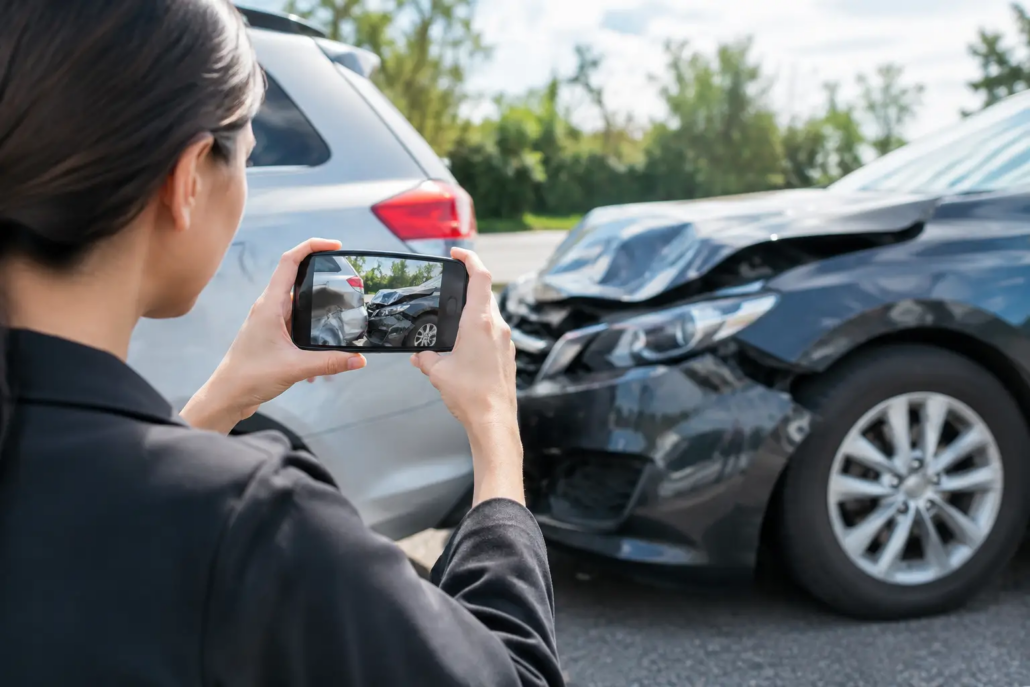
Best Photos for Accident Claims After a Crash
A crash at a Detroit intersection, on I-75 near Grand Rapids, or along a rural Traverse City road can leave critical evidence scattered across the pavement for only minutes. The best photos for accident claims are not polished pictures. They are clear, timely records that show what happened before vehicles are moved, debris is cleared, weather changes, or injuries become harder to see.
If you are hurt, getting medical help comes first. Do not remain in traffic, enter an unsafe roadway, or delay emergency care to take photographs. But if you can safely take pictures yourself, or ask an uninjured passenger, family member, or witness to help, those images may become valuable evidence for an insurance claim or injury case.
Why Accident Photos Matter in Michigan Claims
Insurance companies make decisions based on documentation. A photograph cannot tell the entire story of a collision, but it can preserve details that a police report, repair estimate, or later statement may not capture. It can show vehicle positions, the force of an impact, a blocked traffic sign, a damaged guardrail, or the condition of an injury in the days after a wreck.
This matters in Michigan even when no-fault Personal Injury Protection, or PIP, benefits are involved. PIP benefits generally address allowable medical expenses and certain other losses without regard to fault, but insurers may still question whether treatment is related to the crash or request more documentation. Photos of the collision, visible injuries, mobility limitations, and damaged personal property can support the larger record created by medical providers and other evidence.
Photos can also matter when fault is disputed, when another driver is uninsured, when several vehicles are involved, or when a liability claim is possible. In a commercial truck, rideshare, wrong-way, or high-speed collision, the scene may be cleaned up quickly. Early photographs may preserve facts that cannot be recreated later.
Best Photos for Accident Claims at the Scene
Start wide, then move closer if it is safe. Wide photographs establish context. Take pictures from several angles showing all involved vehicles, their final positions, nearby lanes, intersections, medians, shoulders, traffic lights, and road markings. If the vehicles have already been moved for safety, photograph where they are and make a note of where they were before they moved.
Then document the damage in detail. Photograph each vehicle from all four sides, including crushed panels, broken glass, deployed airbags, tire marks, fluid leaks, bent wheels, broken lights, and damage inside the passenger compartment. Take close-ups, but do not rely only on close-ups. A tight picture of a dent can be useful, while a wider photograph helps show where that dent is located and how it relates to the collision.
When possible, photograph the following scene conditions:
- Traffic signals, stop signs, yield signs, lane arrows, crosswalks, and posted speed limits
- Skid marks, debris fields, vehicle parts, damaged barriers, and impact marks on fixed objects
- Road defects, construction zones, obscured signs, standing water, ice, snow, or loose gravel
- Weather, visibility, roadway lighting, and any obstruction such as vegetation or a parked vehicle
- The other vehicles’ license plates, commercial markings, company names, DOT numbers, and rideshare identifiers
Take a picture of the other driver’s insurance information and driver’s license only if they voluntarily provide it and doing so does not create conflict. Your own photographs do not replace exchanging information or calling law enforcement when required, but they can prevent basic details from being lost or transcribed incorrectly.
Do Not Put Yourself in Danger for a Picture
A photograph is never worth a second collision. On a busy freeway or at a dangerous intersection, move to a safe place if you can do so without worsening injuries. Follow instructions from police, firefighters, and emergency medical personnel. If the scene is unsafe, photograph what you can from a protected location, then focus on your health and report the missing details to your lawyer later.
Photograph Injuries Carefully and Respectfully
Some injuries are immediately visible, including cuts, bruises, swelling, burns, and facial injuries. Others, such as concussions, spinal injuries, internal injuries, and soft-tissue damage, may not show up in a picture at all. The absence of a visible injury does not mean you were not seriously hurt.
If you have visible injuries, take photographs as soon as practical and continue taking them as bruising, swelling, stitches, casts, scars, or mobility devices change over time. Use good lighting and include a wider image that shows the body area, followed by a closer image that captures the injury itself. Avoid filters, editing, beauty settings, or markup that changes the image.
Photographs of an injury should support medical care, not replace it. Seek prompt evaluation for pain, dizziness, numbness, headaches, abdominal pain, trouble breathing, or other symptoms after a collision. Medical records often provide the strongest evidence of diagnosis, treatment, restrictions, and causation. Photos help show the human impact that clinical records may describe in limited terms.
For parents photographing an injured child, protect the child’s dignity. Take only what is needed for documentation, store the images securely, and avoid posting them online. The same caution applies to graphic injuries of any kind.
Document the Days and Weeks After the Crash
The best evidence is not always captured at the roadside. Continue photographing vehicle damage before repairs, especially if an insurer or repair shop may dispose of damaged parts. If the vehicle is declared a total loss, photograph the interior, trunk, child seats, personal property, and odometer before surrendering it.
At home, photographs can document practical losses caused by serious injuries. A brace, crutches, wheelchair, home medical equipment, modifications to a sleeping area, or assistance needed to get around may help explain how the crash changed daily life. Keep these images factual. A simple photo with the original date and time is more useful than a staged or altered image.
If an injury limits your ability to work, do not photograph confidential workplace records or rely on photos alone. Save pay records, work restrictions, disability forms, and communications about missed work. Claims involving wage loss and certain no-fault benefits can require specific proof beyond what an image can provide.
Preserve the Original Files
Modern smartphones automatically store useful information, including the date, time, and sometimes location where a photograph was taken. That information can be lost when pictures are texted, screenshotted, edited, or posted to social media.
Keep the originals whenever possible. Create a backup in a secure cloud account, email copies to yourself, or save them to a computer without deleting the images from your phone. Organize the pictures in folders such as “scene,” “vehicle,” “injuries,” and “recovery,” and write down a brief timeline while events are fresh in your mind.
Do not post crash photos, injury updates, angry comments, or speculation about fault on social media. Insurers and defense attorneys may review public posts and take statements out of context. It is usually better to preserve the evidence privately and discuss it with your legal representative.
Photos That Can Hurt Rather Than Help
Not every photograph strengthens a claim. Images that are heavily edited, missing context, or taken long after repairs can invite questions. So can pictures that appear to show unsafe conduct, alcohol use, or statements about fault. Honesty matters. Never alter a scene, move debris for a better image, exaggerate an injury, or ask another person to do so.
It also helps to understand what photographs cannot prove. Pictures may show significant vehicle damage, but they do not automatically establish who caused the crash or the full extent of an injury. Conversely, modest vehicle damage does not automatically mean an occupant was uninjured. The value of photos depends on how they fit with the police report, witness accounts, medical records, vehicle data, and insurance coverage evidence.
When to Get Help Preserving Accident Evidence
A serious Michigan crash can raise questions that go far beyond a few photographs. A commercial vehicle may have electronic data and company records. A nearby business may have surveillance footage that is erased quickly. A multi-car collision can involve competing stories and several insurance policies. An uninsured-driver claim may require careful notice and coverage review.
If you or a loved one has suffered serious injuries, save the images you have and get legal guidance early. Neumann Law Group can review the evidence, identify records that may need to be preserved, and help injured people understand their options in a free consultation.
The goal is not to turn a painful moment into a photo project. Take only the pictures you can safely obtain, preserve them without alteration, and let your medical care remain the priority while the evidence still has a chance to speak for you.


Leave a Reply
Want to join the discussion?Feel free to contribute!