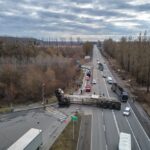

High-Speed Crash on Lodge Freeway in Detroit, Michigan?
A high-speed crash on the southbound Lodge Freeway near Wyoming in Detroit, Michigan has drawn attention from investigators and road safety officials after a 23-year-old driver was killed and a 30-year-old passenger was left in critical condition. The Michigan State Police reported that the vehicle failed to move over and struck a construction vehicle during roadway maintenance operations. Although no workers were inside the construction vehicle at the time, crews were nearby performing routine cleanup work, highlighting the ongoing risk construction zones present on active highways.
Accident reconstruction efforts continue as authorities evaluate speed, lane positioning, and roadway conditions leading up to the collision. Incidents like this often raise complex questions involving liability, traffic law compliance, and potential civil claims for surviving victims or families. In Michigan, these cases may involve both criminal and civil investigations depending on the findings of law enforcement and transportation agencies.
What Happened on the Lodge Freeway Construction Zone
The crash occurred just before 8 a.m. on the southbound Lodge Freeway near Wyoming Avenue in Detroit. According to Michigan State Police, the vehicle was traveling at a high rate of speed when it entered an active construction zone and collided with a stationary construction vehicle.
Construction crews from the Michigan Department of Transportation were conducting roadway maintenance at the time, including catch basin cleanup. Officials noted that workers were outside the vehicle but remained in proximity to the active lanes. The impact resulted in one fatality at the scene and a critical injury requiring hospitalization for the passenger.
Traffic Laws and Contributing Factors in Construction Zone Crashes
Michigan law requires drivers to reduce speed and exercise heightened caution in construction zones, especially where workers or equipment are present. The “move over” and reduced speed requirements are designed to protect both roadway workers and motorists from high-impact collisions.
Excessive speed, distracted driving, and failure to adjust to changing road conditions are among the most common contributing factors in freeway construction zone crashes. Michigan State Police regularly emphasize enforcement of these rules due to the severity of injuries that result when vehicles collide with stationary equipment or slowed traffic patterns.
Legal Questions That Arise After a High-Speed Crash
Following a serious freeway collision, key legal questions often focus on fault determination, comparative negligence, and insurance coverage. Investigators typically examine vehicle speed data, roadway markings, and witness statements to establish how the crash occurred.
Victims and families may also question whether construction signage, traffic control measures, or driver conduct contributed to the incident. In Michigan, civil claims may proceed alongside criminal investigations if reckless or negligent behavior is identified.
How Legal Professionals Evaluate Freeway Collision Claims
In cases involving severe injury or fatality, legal professionals review police reports, accident reconstruction findings, and medical records to assess potential liability. These evaluations help determine whether compensation may be available for medical expenses, lost income, or long-term care needs.
Firms handling motor vehicle injury cases also assess whether roadway safety standards were followed by drivers and whether all responsible parties, including third parties, may share liability. Experience in construction zone and freeway crash litigation is often significant in building a complete case strategy.
Roadway Safety and Awareness in Active Construction Zones
Construction zones on major highways like the Lodge Freeway require reduced speeds, increased attention, and strict compliance with posted warnings. Transportation agencies such as the Michigan Department of Transportation routinely stress that even brief lapses in attention can lead to severe outcomes when heavy equipment and active work crews are present.
Driver awareness, adherence to signage, and early lane adjustments are critical in preventing similar high-speed impacts. Public safety campaigns continue to emphasize the shared responsibility of protecting both motorists and roadway workers.
Key Takeaways for Road Safety and Legal Claims
The Detroit crash underscores how quickly construction zone collisions can become life-threatening, particularly when speed and roadway conditions are not properly managed. For injured victims and families, understanding legal options after such incidents often involves reviewing fault, insurance coverage, and state traffic laws.
Access to legal guidance can help clarify next steps following a serious freeway crash investigation. Many individuals begin the process by seeking early case evaluation to understand potential claims and available remedies.
Neumann Law Group
Prudential Tower
800 Boylston St, 16th Floor
Boston, MA 02199
(617) 918-7790
www.neumannlawgroup.com