
Why Did a Winter Crash Chain Shut Down Detroit, Michigan?
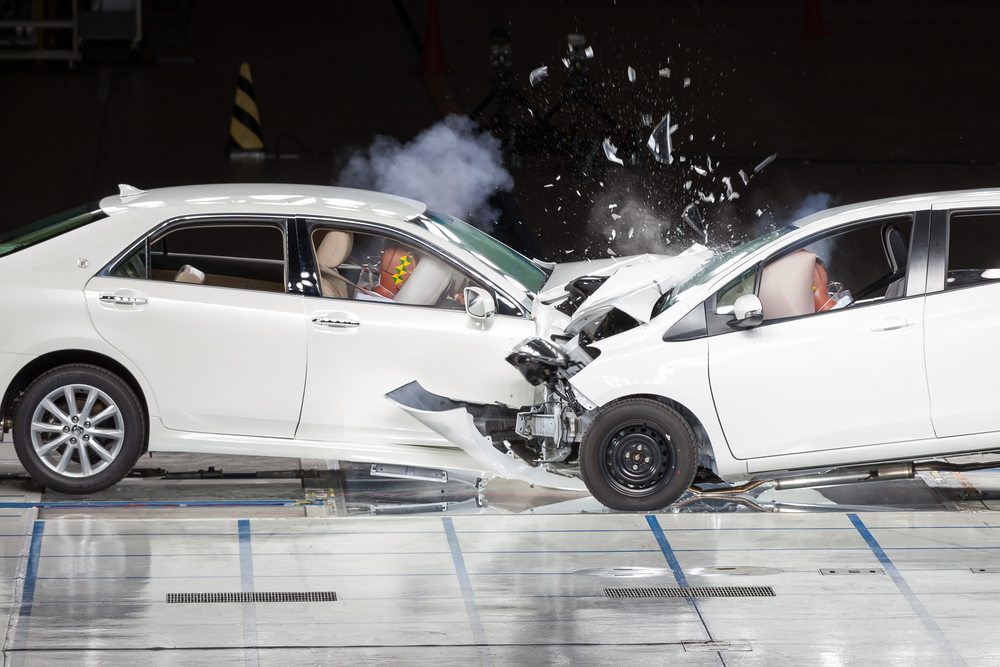
A major freeway shutdown north of McNichols in Detroit, Michigan illustrates how sudden winter weather can create large scale legal and safety consequences on state highways. According to Michigan State Police, approximately 25 separate crashes involving 59 passenger vehicles and semi trucks occurred within a short time frame, forcing the closure of the freeway for several hours. Even when injuries are not reported, multi vehicle pileups raise immediate legal questions involving negligence, roadway safety, insurance liability, and commercial vehicle responsibility. These incidents are governed by Michigan traffic law, federal trucking regulations, and civil negligence standards. Legal evaluation of large winter crash events is handled by Detroit, Michigan accident attorneys who analyze police findings, weather conditions, and driver conduct to determine whether civil claims arise from mass collision scenarios.
What the Chain Reaction Crash Involved
Michigan State Police reported that severe whiteout conditions led to dozens of collisions involving cars and semi trucks, with some vehicles leaving the scene without filing crash reports. The freeway was shut down back to the Davison as troopers worked to clear wreckage and restore traffic flow. Drivers described sudden blinding snow squalls that eliminated visibility and caused vehicles traveling at moderate speeds to lose control almost simultaneously. Law enforcement documented vehicle positions, roadway conditions, and driver statements to establish a clear timeline of events. These factual findings form the basis for civil liability analysis conducted by Michigan accident attorneys once police reports are finalized.
What Laws Apply to Multi Vehicle Winter Crashes
Michigan law requires drivers to operate vehicles at speeds reasonable for weather and roadway conditions, regardless of posted limits. Commercial drivers are also subject to federal safety regulations that mandate heightened caution during hazardous weather. In chain reaction crashes, liability is assessed individually based on following distance, braking behavior, and loss of control rather than treating the incident as a single accident. Drivers who leave the scene without reporting may face additional legal consequences. Legal clarification of how these statutes apply to winter pileups is addressed during a Free Consultation when motorists seek to understand fault and insurance exposure.
Key Legal Questions for Motorists
After a large scale winter crash, motorists must determine whether they bear partial fault, whether another driver caused secondary impacts, and how insurance carriers will apportion liability. Questions also arise when semi trucks are involved, particularly regarding commercial insurance limits and driver compliance with safety protocols. Even when no injuries are reported, vehicle damage claims and coverage disputes can be substantial. Investigators rely on weather data, vehicle spacing, and impact sequences to resolve these issues. These determinations are examined through analysis associated with personal accident in Michigan when evaluating the legal implications of winter roadway chaos.
How Attorneys Handle Multi Vehicle Crash Claims
Legal representation plays a defined role after mass collision events. Neumann Law Group provides legal support in multi vehicle and winter weather crash cases by reviewing police reports, coordinating accident reconstruction, and addressing insurance disputes. Attorneys at Neumann Law Group analyze each collision sequence individually to ensure fault is assigned accurately and claims are properly pursued. Selecting a law firm with specific experience in large scale vehicle collisions ensures that comparative fault principles, commercial vehicle regulations, and evidentiary standards are applied correctly, functions carried out by attorneys practicing in this area of law.
Legal Awareness and Winter Driving Safety
Winter driving in Michigan presents predictable risks that carry legal consequences when drivers fail to adjust to conditions. Whiteout snow squalls require immediate speed reduction and increased following distance. From a legal standpoint, failure to adapt driving behavior to weather conditions constitutes negligence under Michigan law. Freeway closures following chain reaction crashes emphasize the seriousness of winter roadway hazards and the legal accountability that follows. Legal awareness regarding winter driving obligations is reinforced through guidance provided by Detroit, Michigan accident attorneys familiar with state traffic enforcement and collision litigation.
Conclusion
The freeway shutdown north of McNichols in Detroit, Michigan demonstrates how winter weather can rapidly escalate into a complex legal event involving dozens of vehicles. Liability determinations depend on strict application of traffic laws, commercial safety rules, and investigative findings. Understanding legal rights and responsibilities after a mass winter crash remains essential for motorists navigating insurance claims and potential liability exposure.
Neumann Law Group
Prudential Tower
800 Boylston St, 16th Floor
Boston, MA 02199
(617) 918-7790
