
Why Does App Status Matter to a Michigan Rideshare Lawyer?
A collision involving an app-based driver can leave everyone asking the same question: Who is responsible for the medical bills, vehicle damage, and other losses? If you are searching for a Michigan rideshare accident lawyer after a crash in Detroit or Grand Rapids, the first priority is protecting your health and preserving information about the trip.
Rideshare and delivery collisions can be more complicated than ordinary crashes because the driver may be working through Uber, Lyft, DoorDash, Instacart, or another platform. The driver’s activity in the app at the moment of impact may affect which insurance policy responds. A passenger, another motorist, pedestrian, or cyclist may also have different insurance issues.
This guide from Neumann explains practical steps to take after a collision, the evidence that may matter, how insurance questions typically arise in Michigan, and mistakes that can make a claim harder to evaluate. General rules can vary based on the facts and the policies involved.
What Should You Do After a Rideshare Crash in Detroit or Grand Rapids?
Safety and prompt documentation should come first. If anyone may be seriously injured, calling 911 can help connect people with emergency services and law enforcement. Even when injuries initially seem minor, symptoms can develop later, so seeking appropriate medical attention and describing the crash accurately can help create a record of what happened.
Gather information at the scene
When it is safe to do so, collect or preserve:
- Names and contact information for drivers, passengers, and witnesses.
- Vehicle descriptions, license plate numbers, and insurance information, if available.
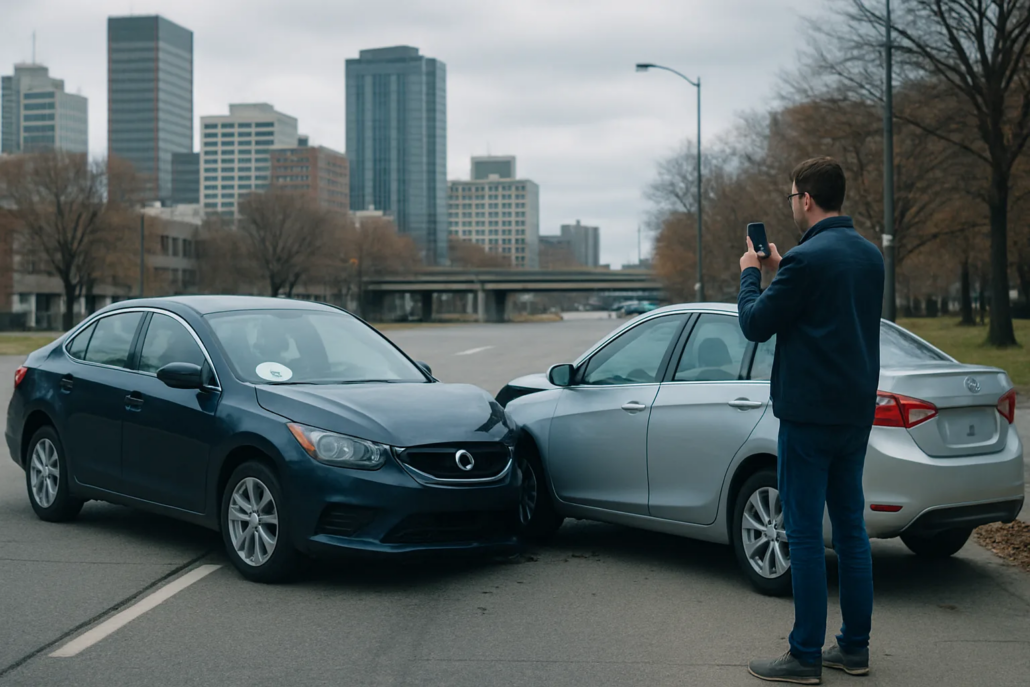
- Photos or video of the vehicles, roadway, traffic controls, weather, and visible damage.
- The rideshare or delivery platform name and the driver’s profile information.
- Screenshots of the trip receipt, route, pickup and drop-off details, and in-app communications.
- The responding agency’s information and any incident or report number.
Do not argue about fault at the scene or post detailed accounts of the collision online. A calm exchange of information is generally safer and more useful than trying to investigate the entire claim beside the road. In Detroit, Grand Rapids, or elsewhere in Michigan, preserve original photographs and keep notes about when and where they were taken.
Report the collision and notify the appropriate parties
Depending on the circumstances, a police or incident report may document statements, road conditions, and apparent points of impact. Rideshare platforms also typically provide an in-app process for reporting a collision. Reporting an incident does not require you to accept an insurance company’s version of events or sign a settlement agreement.
How Does Rideshare Insurance Work in Michigan?
The most important coverage question is often what the driver was doing in the app when the crash occurred. A driver may have been offline, available for a ride, traveling to pick up a passenger, or carrying a passenger. Delivery work can create a similar question: whether the driver was logged in, assigned a delivery, or actively transporting an order.
Coverage can depend on the platform’s policy, the driver’s personal auto policy, the vehicle owner, the injured person’s own insurance, and the facts of the collision. Insurance information should be gathered, but coverage cannot always be determined from a policy card or a brief conversation with an adjuster.
Why the driver’s app status matters
In general, a platform’s commercial or contingent coverage may apply differently depending on whether the driver is waiting for a request or actively engaged in a ride or delivery. The exact terms and limits may vary. A driver’s personal policy may also contain exclusions or conditions related to commercial activity.
For an Uber accident claim in Michigan or a Lyft accident insurance question in Michigan, save the trip details and identify the driver’s status as soon as possible. If the crash involved a delivery driver in Grand Rapids, preserve delivery assignment information and any platform messages. These records may help establish the driver’s work activity without relying only on memory.
Other insurance may also be relevant
Michigan’s no-fault system can create separate questions about personal protection insurance benefits and payment of medical expenses, depending on the injured person’s circumstances and available coverage. A passenger’s own policy, a household policy, or other applicable coverage may need to be reviewed. Fault-based claims for certain losses can involve additional requirements, and the analysis may differ for a passenger, driver, pedestrian, or cyclist.
Because insurance rules and policy language can change, a Michigan attorney can review the available facts and explain which coverage questions may need attention. Do not assume that the rideshare company’s name alone determines the entire claim.
What Evidence and Legal Process Can Strengthen a Rideshare Injury Claim?
After immediate medical and safety concerns are addressed, organized evidence can make the claim easier to evaluate. The goal is not to prove everything at once. It is to preserve information before app records, vehicle conditions, and witness memories become more difficult to obtain.
Consider keeping a file with:
- Medical records, bills, appointment information, and notes about symptoms or restrictions.
- Photographs of injuries and property damage, taken over time without altering the originals.
- Wage or work-loss documentation, if the injury affects employment.
- Insurance letters, claim numbers, recorded-statement requests, and settlement offers.
- Names of witnesses, responding officers, medical providers, and tow or repair facilities.
- A dated personal account describing the trip, impact, symptoms, and communications.
Common mistakes to avoid
People sometimes delete the rideshare receipt, fail to identify the platform, or assume that a driver’s personal insurer will coordinate all available coverage. Others give a recorded statement before understanding the basic facts or sign a release before the full effect of an injury is known. These choices can complicate later review.
Generally speaking, it is reasonable to read documents carefully, keep copies of everything, and ask questions before agreeing to a release. An attorney may also investigate vehicle ownership, app activity, witness accounts, crash evidence, and the relationship between no-fault benefits and other parts of a potential claim.
The process may involve communications with one or more insurers and, if a resolution is not reached, formal legal proceedings. Procedures can differ between courts serving Wayne County and Kent County, and deadlines may apply. A lawyer can explain the jurisdiction-specific issues after reviewing the circumstances.
Frequently Asked Questions
Can I pursue a claim if I was a rideshare passenger and another driver caused the crash?
Possibly. A passenger’s potential sources of insurance may include coverage connected to the at-fault driver, the rideshare trip, and the passenger’s own applicable benefits. The answer depends on the drivers’ app status, available policies, injury facts, and Michigan law. Preserving the trip receipt, crash report, medical records, and witness information can help an attorney assess which claims or benefits may be available.
What if the rideshare driver left the scene or had no insurance information?
If a driver leaves or does not provide usable insurance details, report the event to law enforcement and preserve every detail you remember, including the platform, vehicle description, route, and time. The rideshare company may have trip records, but access and coverage depend on the circumstances. Uninsured or unidentified-driver issues can involve separate Michigan insurance questions that warrant individualized review.
Can pedestrians and cyclists make rideshare-related injury claims?
They may have options, depending on how the collision happened and what insurance coverage applies. A pedestrian or cyclist should document the location, vehicle, witnesses, and any available video, then obtain appropriate medical attention. Claims can involve no-fault benefits and, in some circumstances, a fault-based case. The specific rules may differ from those affecting a rideshare passenger or another vehicle driver.
How long do I have to address a rideshare injury claim in Michigan?
There is no single deadline that applies to every rideshare injury issue. Different benefits and legal claims can involve different notice, filing, or documentation requirements. Waiting can make evidence harder to obtain and may create avoidable problems. Because deadlines depend on the claim and the parties involved, prompt consultation with a Michigan-licensed attorney is important for a situation-specific timeline.
How Neumann Can Help
Neumann is dedicated to helping injured people understand the insurance and evidence issues that can follow a rideshare, delivery, or other motor vehicle collision. The firm can evaluate the driver’s platform status, identify potentially relevant policies, organize crash and medical records, and communicate with insurers as appropriate.
Whether the collision involved a rideshare passenger injury in Detroit, another motorist in Michigan, or a delivery driver crash in Grand Rapids, the facts deserve careful attention. Neumann is committed to fighting for clients’ rights while providing a clear explanation of available legal options. Contact Neumann for a free consultation or case evaluation.
The information in this article is for educational purposes only and does not constitute legal advice. Contact a qualified attorney licensed in Michigan; Detroit; Grand Rapids for advice specific to your situation.

