
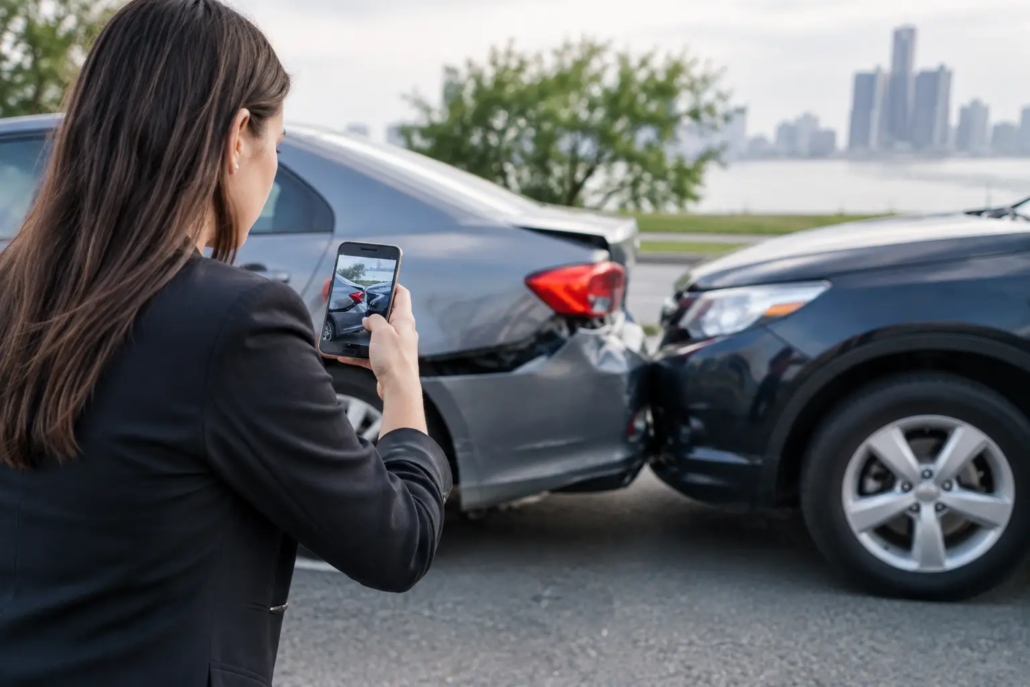
Coverage Discovery Guide After a Michigan Crash
A serious Michigan crash can leave a family staring at emergency-room bills while several insurance companies point in different directions. A coverage discovery guide is not paperwork for its own sake. It is the process of finding every policy that may pay benefits, cover a loss, or provide protection when the other driver has too little insurance or no insurance at all.
That search needs to begin early. An insurer may tell an injured person that there is no coverage based on incomplete information, an outdated address, a missing household policy, or the wrong priority analysis. A denial is not always the last word, especially after a Detroit intersection collision, a Grand Rapids multi-vehicle crash, or a commercial-vehicle wreck on a northern Michigan highway.
Why coverage discovery matters after a Michigan accident
Michigan’s no-fault system can be confusing because different parts of a claim may involve different insurance coverage. Personal Injury Protection, commonly called PIP, may pay allowable medical expenses, wage loss, replacement services, and certain other benefits for an eligible injured person. Property damage, pain and suffering, and claims against an at-fault driver can involve separate rules and separate policies.
The policy listed on the vehicle is not necessarily the only policy that matters. The injured person may be covered through their own auto policy, a spouse’s policy, a resident relative’s policy, an employer-provided vehicle policy, a rideshare policy, or coverage connected to the at-fault driver. The answer depends on the facts, the policy language, Michigan law, and whether a special situation applies.
The financial stakes are high when injuries involve surgery, traumatic brain injury, spinal damage, fractures, permanent scarring, or the loss of a family member. If a policy is overlooked at the start, medical providers may go unpaid, wage-loss benefits can be delayed, and evidence of available coverage can become harder to obtain.
Coverage discovery guide: start with people, not just vehicles
After a crash, people often focus on the car that was hit. That is understandable, but coverage discovery starts by identifying everyone connected to the injured person and the collision. An injured passenger may have different coverage options than the driver. A pedestrian or bicyclist may have a different PIP priority question than someone inside a vehicle. A teenager living at home, a college student, or a person who recently moved may raise important household-residency questions.
Create a complete picture of the injured person’s household as of the crash date. That includes spouses, relatives who lived in the home, and any vehicles regularly kept there. Gather declarations pages, insurance cards, renewal notices, lease documents, vehicle registrations, and correspondence from insurers. Do not assume a policy is irrelevant because the injured person was not named as the primary driver.
Employment can also matter. If the crash occurred while someone was working, driving a company vehicle, making deliveries, traveling between job sites, or performing rideshare work, there may be employer, commercial, occupational, or platform-related coverage to investigate. These claims can involve multiple insurers that each try to shift responsibility elsewhere.
Identify the policies that may affect the claim
A careful review usually looks beyond one auto-insurance card. The goal is to identify policies that may provide no-fault benefits, liability coverage, uninsured-motorist coverage, underinsured-motorist coverage, or excess coverage.
A practical search should examine these sources:
- The injured person’s own auto policy and every vehicle policy in the household
- Policies held by a spouse or resident relative
- The at-fault driver’s personal or commercial auto policy
- Employer, rental-car, delivery, rideshare, or vehicle-owner policies
- Umbrella or excess policies that may apply after underlying limits are exhausted
- Uninsured-motorist and underinsured-motorist provisions, including any coverage limits and notice requirements
Uninsured-motorist coverage can become critical when a hit-and-run driver leaves the scene or the responsible driver carries no insurance. Underinsured-motorist coverage may matter when the at-fault driver has insurance, but the available liability limits do not begin to address a life-altering injury. These coverages are contractual, and their requirements can vary widely from one policy to another.
Do not overlook the possibility that the vehicle involved was owned by one person, insured by another, and driven by someone else. That can happen with borrowed cars, family vehicles, company trucks, rental vehicles, and rideshare vehicles. Ownership, use, permission, and employment status may all affect coverage.
Protect PIP benefits while the coverage question is being sorted out
Coverage disputes should not prevent an injured person from seeking necessary medical care. Follow treating providers’ recommendations, keep appointments when possible, and save records of each visit, prescription, therapy session, mileage expense, and medical bill. Insurers often ask for proof of treatment and expenses before issuing benefits.
Notify potential insurers promptly. A late report can give an insurance company an argument that it was not given a fair opportunity to investigate, particularly where uninsured-motorist or underinsured-motorist coverage is involved. Do not rely on a verbal conversation alone. Keep copies of claim numbers, letters, emails, upload confirmations, and the names of every adjuster involved.
Michigan PIP claims also involve coordination questions. Some people have coordinated medical coverage through their auto policy and health insurance. Others have uncoordinated coverage. The distinction may affect which insurer pays medical charges first, but it does not mean an injured person should accept a provider bill or insurer statement without reviewing the actual policy and claim circumstances.
If an insurer requests a recorded statement, broad medical authorizations, or an examination under oath, take the request seriously. Cooperation duties may exist, but the scope of what an insurer seeks can matter. A request that sounds routine may affect how the insurer evaluates fault, injuries, household residency, or coverage.
Get the documents that expose gaps and denials
Insurance companies do not always volunteer the full basis for a coverage decision. Ask for written confirmation of the claim decision and the specific policy provision the company is relying on. A vague statement such as “no coverage applies” is not the same as a documented explanation of the priority analysis, exclusion, notice issue, or policy-limit determination.
The crash report, photographs, video footage, witness information, vehicle data, dispatch records, and medical records may also matter to coverage. For example, proof that a driver was working, that a rideshare app was active, or that a commercial vehicle was involved can change the insurance investigation. Evidence can disappear quickly after a truck crash or a high-speed pileup, so preservation should not wait until a claim is denied.
It is also wise to document all other vehicles and people involved, even if police initially identify only one at-fault driver. In a chain-reaction collision, a wrong-way crash, or a wreck caused by an unsafe lane change, more than one party may share responsibility. Multiple liability policies may be available.
When an insurer says there is no coverage
A denial may be correct, but it may also be based on missing facts or a narrow reading of the situation. Common disputes involve whether someone was a resident of a household, whether a vehicle was available for regular use, whether timely notice was given, whether a driver had permission, or whether an exclusion applies. Commercial and rideshare collisions can add another layer of policy language and competing carriers.
Do not discard denial letters or assume the first insurer contacted is the only insurer responsible. Preserve the envelope, date received, policy number, claim number, and every attached document. Ask whether the denial applies only to PIP benefits, only to a particular policy, or to every form of coverage. Those are very different answers.
For pain and suffering or excess-economic-loss claims against an at-fault driver, the available liability limits should be investigated before a settlement is discussed. Accepting a settlement or signing a release too early can affect potential underinsured-motorist claims. The right approach depends on the policy language and the facts of the collision.
Early legal review can protect the full claim
A coverage investigation is often most effective while evidence, policy information, and witness memories are still available. An experienced Michigan injury lawyer can review the accident facts, identify likely insurance sources, request policy information, evaluate a denial, and help protect notice and filing deadlines.
Neumann Law Group offers free consultations and is available 24/7 for Michigan crash victims facing medical bills, lost wages, or insurance confusion. You do not need to have every answer before asking for help.
The most useful step after a serious crash is often a simple one: keep every document, report every possible policy, and question any denial that arrives before the full coverage picture has been found.


Leave a Reply
Want to join the discussion?Feel free to contribute!