
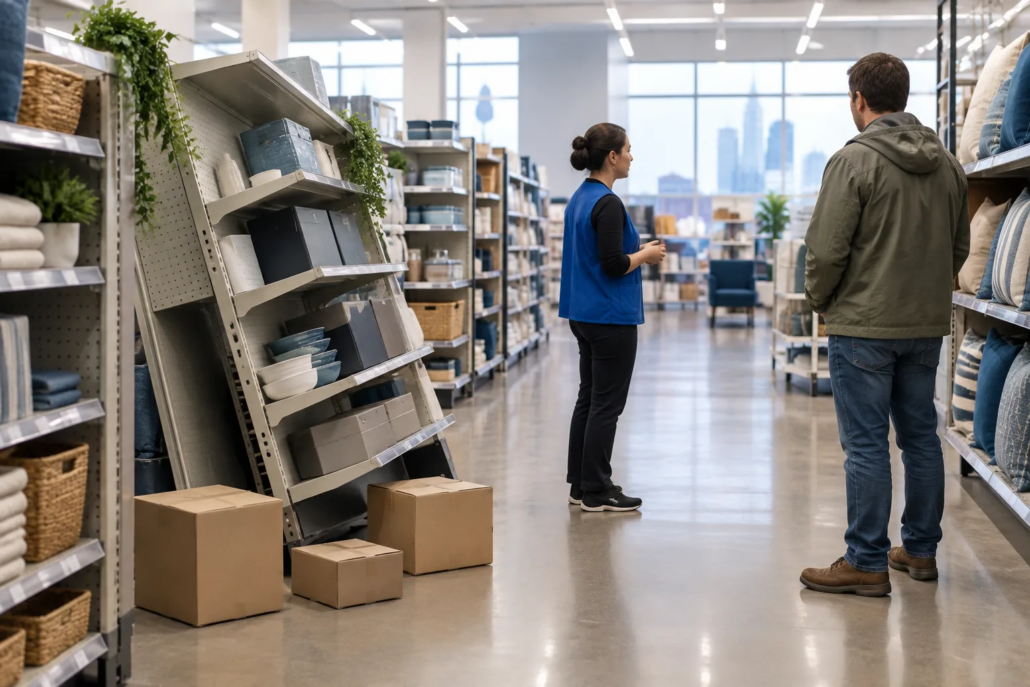
When Might Detroit Injury Lawyers Review a Fallen Display?
A shopper comparing products may not expect an item to fall from a shelf or a display to shift nearby. When merchandise causes an injury in Detroit, the key question is not simply who owned the store; it is who had responsibility for the area, the item, or the way it was displayed, and what they knew or reasonably should have known. A Detroit falling merchandise injury lawyer can help explain the questions that may arise, but responsibility depends on the facts.
Neumann helps readers understand how store practices, stocking duties, and evidence can shape an injury claim. This guide covers who may be involved, how notice and control may matter, and a practical checklist for reporting the incident, documenting the scene safely, identifying witnesses, and keeping important communications. It offers general information, not a conclusion about any particular store or claim.
Who May Be Responsible for Falling Merchandise in Detroit?
A retailer or the business operating a store may be one party to examine. Businesses generally must use reasonable care to keep areas open to shoppers reasonably safe. In a falling-merchandise incident, that may involve how products are stacked, whether shelving or a display is stable, and whether staff follow reasonable inspection and stocking practices. A store is not automatically liable just because an item fell; the circumstances and evidence matter.
Store control, stocking, and notice
Investigators may ask who controlled the display and who was expected to inspect or restock it. A store may have had direct notice of a hazard if staff knew about it. In other situations, evidence may be relevant to whether the condition existed long enough that reasonable inspection could have uncovered it. The source of the fall matters too: an item could have been improperly stacked, a fixture could have shifted, or another shopper’s actions could have contributed.
When another business or product maker may be relevant
A vendor, delivery company, outside stocking service, property owner, or product manufacturer could warrant consideration, depending on who created or controlled the hazard. For example, a third party may have arranged a display, while a retailer controlled the aisle and its inspection process. A product defect may raise a different question from unsafe store display practices. These possibilities do not establish fault; they help identify what records, contracts, and evidence might need review in a Michigan store injury involving a falling object.
How to Document a Detroit Store Injury and Identify Evidence
A careful record can help clarify what happened and who controlled or maintained the display. If it is safe and practical, a shopper may consider these steps:
- Tell a store employee or manager what happened and ask that the incident be recorded. Note the date, approximate time, location in the store, and the names or roles of people spoken to.
- Photograph the display, shelf, fallen merchandise, surrounding aisle, and any visible damage, if doing so is safe. Avoid moving items or recreating the event to get a picture.
- Ask witnesses for their names and a way to contact them. A brief note about what each person observed may help preserve their recollection.
- Keep store messages, incident-report paperwork, receipts, and any later communications. Write down when and how the store contacted you.
- Keep records of medical visits and related communications. A lawyer can explain what information may be relevant to a claim.
A store report can document that an event was reported, but it may not answer every question about the display or the cause. Photographs and witness details may help show where merchandise was positioned, whether a fixture appeared unstable, and what people observed before or after the fall. For a broader look at evidence in similar incidents, see this guide to evidence for a Detroit premises liability claim.
In Detroit, the store, its insurer, or a representative may communicate with an injured shopper. Keep copies of written messages and make a dated note of significant calls. If a detail is uncertain, label it as uncertain rather than filling gaps with guesses. Records may change or become harder to locate, so preserving what is already available can help an attorney evaluate the circumstances.
What Can Affect a Claim After a Store Merchandise Injury?
A claim usually turns on more than the fact that merchandise fell. A review may consider how the item came down, whether the store or another party controlled the display, what inspection or stocking practices were used, and whether there was a reasonable opportunity to discover and address a danger. The shopper’s account, photographs, witness observations, store records, and other available evidence may fit together to explain the event.
Michigan law applies to many injury claims arising in Detroit, but the legal analysis depends on the particular facts and the parties involved. Questions about notice can be important: evidence might show that staff had been told about a problem, or that a condition was present long enough to be discoverable through reasonable care. The answer is not automatic, and a store’s account may differ from a shopper’s recollection. A lawyer may investigate whether records or other information help resolve those differences.
It can also matter whether more than one person or business contributed to the incident. For example, the retailer may have controlled aisle inspections, while a vendor handled a display. Michigan’s rules concerning fault and recovery can be fact-specific, so a shopper should not assume that another party’s possible role ends the inquiry. A Detroit attorney can assess how the available evidence and applicable Michigan law may affect the options in an individual situation.
Practical recordkeeping can prevent avoidable confusion. Preserve original photos when possible, keep communications together, and note when memories or details are uncertain. Avoid posting assumptions about fault as though they were established facts. These steps do not determine liability, but they can give a legal professional a clearer starting point when evaluating a falling merchandise injury.
Frequently Asked Questions
Does a store have to pay whenever merchandise falls on a shopper?
No. An item falling and causing an injury does not, by itself, establish that the store was legally responsible. A review may consider who controlled the item or display, whether reasonable care was used, what the store knew or should have discovered, and what caused the fall. The facts and applicable Michigan law guide the analysis, and another party may also warrant consideration.
What if I did not take photographs at the store?
Photos can be useful, but not having them does not automatically resolve whether a claim is possible. Other information may include witness accounts, a store incident report, communications, available video, or records about stocking and inspection. What evidence exists varies by incident. An attorney can discuss what may be available and how it could relate to the circumstances in Detroit.
Can a vendor or outside stocker be responsible?
Possibly, depending on the facts. A vendor or stocking service may have handled the display, while the retailer may have controlled the sales floor or inspection routines. Contracts and records can help clarify each party’s role. A product maker could also be relevant if a defect contributed to the event. These are questions to investigate, not assumptions that any party was at fault.
Should I keep messages from the store or its insurer?
Keeping copies of communications can help create a clear record of what was discussed and when. This may include emails, letters, incident-report documents, and notes of phone conversations. Try to distinguish direct quotations from your own recollection. If you are unsure how to respond to a particular request, an attorney can explain considerations based on your circumstances.
How Neumann Can Help
Neumann is dedicated to helping injured shoppers understand the questions that may arise after merchandise falls in a store. A review may consider the display, store practices, possible stocking or vendor responsibilities, notice of a hazard, and the records available to explain what happened. The firm is committed to fighting for clients’ rights while recognizing that every situation depends on its own evidence and applicable law.
If you were hurt by falling merchandise in Detroit, contact Neumann to discuss your situation and request a consultation. The team can listen to what happened and evaluate whether it may be able to assist with exploring your legal options.
Michigan law and procedures may apply to an incident in Detroit; laws vary by location and may have changed since publication. The information in this article is for educational purposes only and does not constitute legal advice. Contact a qualified attorney authorized to practice in the jurisdiction that applies to your matter for advice specific to your situation.

Leave a Reply
Want to join the discussion?Feel free to contribute!