
Can Detroit Injury Claims Include Loss of Consortium?
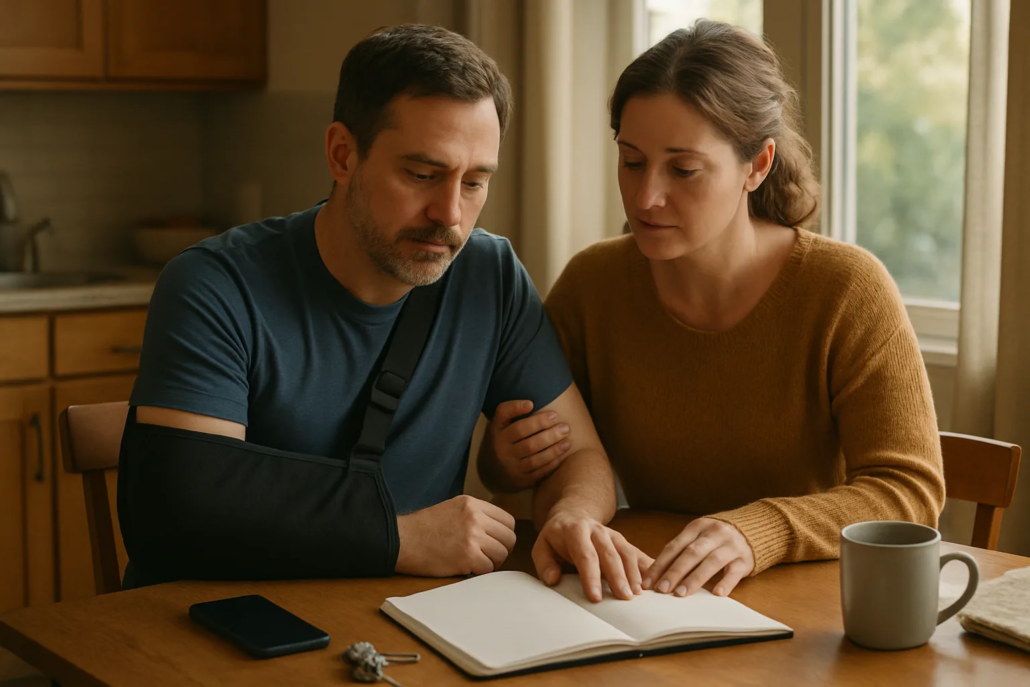
A serious injury can change how a couple manages ordinary life. The injured person may need help with transportation, personal tasks, or household responsibilities, while the spouse may lose companionship, shared activities, intimacy, and the partnership the marriage once provided. Those effects can raise an important question: can a Michigan loss of consortium personal injury claim address the spouse’s separate relationship-based losses?
Generally speaking, loss of consortium is a potential claim for the uninjured spouse when another person’s legally actionable injury substantially affects the marital relationship. It is different from the injured person’s claim for medical expenses, lost income, physical pain, or emotional harm. Michigan personal injury claims after an accident may involve several categories of damages, and identifying each potential claimant early can matter.
Neumann helps Michigan readers understand these issues in plain language. This article discusses what consortium may include, what a spouse may document, how privacy concerns can arise, and why separate testimony may be important in Detroit, Traverse City, and elsewhere in Michigan.
Can a Michigan Loss of Consortium Personal Injury Claim Cover Relationship Changes?
Loss of consortium generally concerns the injury’s effect on the marriage, not simply the fact that the injured person required treatment. The spouse’s experience may involve a combination of practical, emotional, and relational changes. The precise scope and proof depend on the facts, the underlying claim, and Michigan law, which can change and may be applied differently depending on the circumstances.
Companionship and shared life
A spouse may describe the loss of ordinary activities that helped define the relationship. Examples might include taking walks, attending family events, traveling, participating in hobbies, or sharing conversations and decisions. If the injury changes the couple’s routines for a long period, those before-and-after differences may help explain the claimed impact.
Household partnership and intimacy
A serious injury may shift cooking, cleaning, parenting, transportation, finances, or other household responsibilities to the spouse. Physical limitations, chronic discomfort, scarring, changes in mood, or cognitive difficulties may also affect affection and intimacy. These subjects are personal, but they can be legally relevant when presented respectfully and only to the extent needed to explain the marital impact.
A consortium claim is not automatically available merely because a spouse has provided support. The evidence generally must connect the injury to a meaningful impairment of marital benefits. In Detroit or Traverse City, a lawyer evaluating the matter may examine the couple’s relationship before the incident, the nature of the injury, and the changes that followed.
What Evidence Can Support a Detroit Injury Loss of Consortium Claim?
A spouse’s testimony can be important because the spouse often observes daily changes that medical records do not capture. A treating professional may document symptoms and restrictions, but may not see how the injury affects weekend routines, communication, family participation, or the division of household work.
Useful evidence may include:
- Testimony from the spouse describing specific changes before and after the injury.
- Calendars, activity records, or neutral notes showing reduced participation in shared plans.
- Statements from people who observed changes in family routines, when appropriate.
- Medical records that explain functional limitations, without assuming those records prove every marital loss.
- Photographs or other personal records that show changes in activities, provided privacy and relevance are carefully considered.
For injuries involving memory, behavior, communication, or independence, family reports and daily-life evidence in a Detroit TBI claim may illustrate changes that are difficult to summarize through a diagnosis alone. The goal is not to create an exaggerated narrative. It is to provide clear, concrete observations supported by reliable evidence.
Handling sensitive information
Privacy is a real concern. Discovery may involve questions about the marriage, personal routines, counseling, physical limitations, or intimacy. A spouse may ask how much detail is necessary and who will see the information. Depending on the case, an attorney may help distinguish relevant evidence from unnecessarily intrusive requests and may explain how court filings, depositions, and negotiations could expose private information.
Permanent physical changes can create especially sensitive issues. Michigan injury claims involving permanent scarring or disfigurement may address how appearance, comfort, mobility, self-confidence, and social participation changed. The injured person’s disfigurement damages and the spouse’s loss of marital companionship are related, but they are not identical claims.
How Is a Spouse’s Claim Different From Other Injury Damages?
The injured person and spouse may experience the same event differently, and their claims should not be treated as interchangeable. The injured person may seek damages connected to treatment, lost earning capacity, physical pain, emotional distress, and functional limitations. The spouse’s potential consortium claim focuses on the loss or impairment of marital benefits.
That distinction also matters when household work or caregiving is involved. A spouse who spends substantial time helping with bathing, transportation, medication routines, or household tasks may be addressing needs that involve insurance benefits or reimbursement questions. Michigan attendant care benefits after a serious injury are not the same as damages for lost companionship, intimacy, or marital partnership.
For many motor-vehicle cases, Michigan no-fault benefits for medical care, wage loss, and household help may address certain immediate services or economic needs. That coverage analysis is separate from whether a spouse can pursue relationship-based damages in an injury claim. A lawyer may need to examine the responsible party, available insurance, the injury’s severity, and the interaction between different claims.
Common issues to consider early
A spouse considering a claim may want to understand these issues before making statements or signing documents:
- Who is a potential claimant? A spouse’s claim may require separate consideration rather than being assumed to fall automatically within the injured person’s case.
- What changed, specifically? Clear examples are generally more useful than broad statements that the marriage is “different.”
- What evidence is private? Personal records should be collected and shared thoughtfully, with attention to relevance and confidentiality.
- What deadlines apply? Michigan filing rules and insurance procedures vary by claim type. Michigan car accident claim deadlines should not be assumed to protect every related claim automatically.
Frequently Asked Questions
Does a spouse need to be physically injured to pursue loss of consortium damages?
Generally, no. Loss of consortium is usually based on the effect of another person’s injury on the marital relationship, rather than a separate physical injury to the spouse. The spouse may describe lost companionship, household partnership, affection, intimacy, or shared activities. Eligibility and proof depend on the facts and applicable Michigan law, so a licensed attorney would need to evaluate the relationship, injury, and underlying claim.
Can a spouse testify about changes the injured person does not mention?
A spouse may provide separate testimony about observations from daily life. That can include changes in communication, routines, mood, independence, family participation, or shared activities. Testimony should remain accurate and based on personal knowledge. It does not replace medical evidence, and a spouse’s account may be considered alongside records and testimony from professionals or other witnesses.
Will private marital information become part of the public record?
Not necessarily, but privacy cannot be assumed. A claim may involve discovery questions, depositions, medical records, or settlement discussions that address personal aspects of the marriage. Some information may be protected or handled with limits, while other details may be relevant. An attorney can explain the potential scope of disclosure and discuss ways to present necessary evidence respectfully.
Does a consortium claim cover the spouse’s lost wages or caregiving time?
Not automatically. Lost wages, replacement household services, attendant care, and other economic needs may involve separate insurance or damages analyses. Loss of consortium generally focuses on impaired marital benefits, such as companionship and partnership. Because the same household change can raise more than one legal issue, a Michigan lawyer may need to separate each category and identify the evidence supporting it.
How Neumann Can Help
Neumann is dedicated to helping injured people and families understand how Michigan personal injury claims may affect more than the person who was physically hurt. The firm can evaluate the relationship between the underlying injury claim and a potential spouse claim, discuss documentation that may be useful, and address privacy concerns involving household life and intimacy.
Whether the matter arises in Detroit, Traverse City, or another Michigan community, the legal analysis may depend on the injury, available evidence, insurance coverage, and applicable deadlines. Neumann is committed to fighting for clients’ rights while explaining the process in understandable terms. Contact Neumann for a free consultation or case evaluation to discuss your situation.
The information in this article is for educational purposes only and does not constitute legal advice. Contact a qualified attorney licensed in Detroit; Traverse City for advice specific to your situation.

Leave a Reply
Want to join the discussion?Feel free to contribute!