Which Evidence Can a Traverse City Boating Attorney Use?
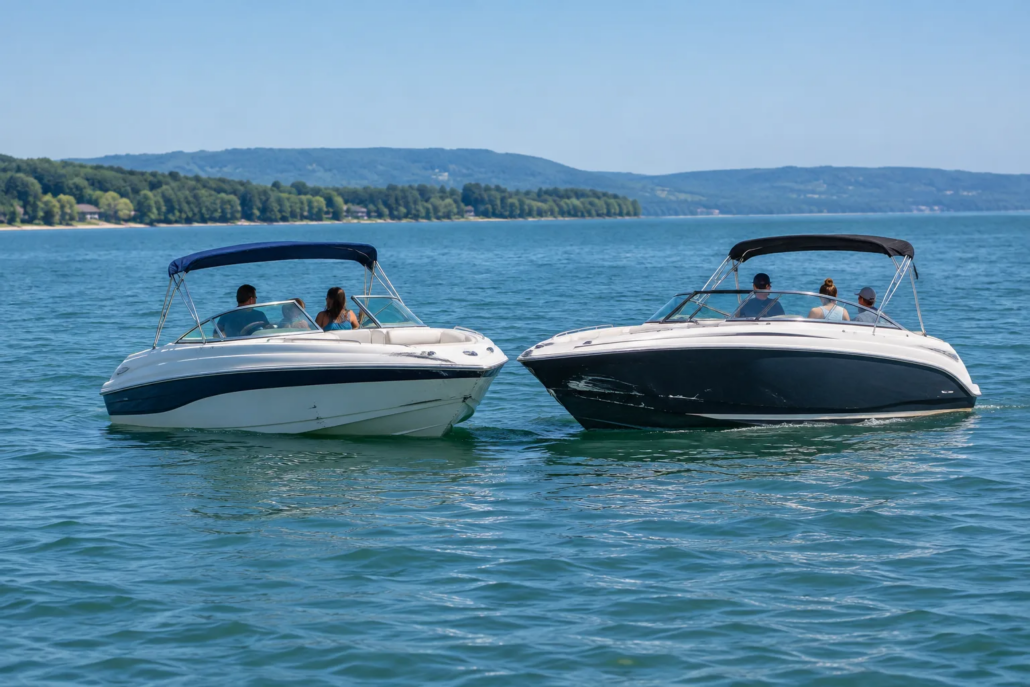
A collision between boats on Grand Traverse Bay can leave passengers trying to understand what happened while dealing with damaged equipment or injuries. The person steering may be an important part of the investigation, but the full picture can also involve the boat’s owner, a rental company, or a maintenance issue. A Traverse City boating accident lawyer may review those different lines of inquiry without assuming that any one person or business is automatically responsible. Neumann helps readers understand what can matter in an injury investigation, including the details described in a Michigan regatta collision injury claim, which is a separate matter and does not decide liability for a local collision. This article explains how responsibility may be assessed, what evidence boaters and passengers can preserve, and when legal guidance may be useful.
Who May Be Responsible for a Traverse City Boat Collision?
Boat-collision investigations often begin with the actions of each operator. Investigators may consider speed, lookout, navigation, visibility, traffic, and whether a vessel’s operator responded reasonably to changing conditions. A collision does not, by itself, establish who was at fault. The accounts of the people involved may differ, and physical evidence or independent witnesses may clarify what happened.
In Traverse City, a collision on Grand Traverse Bay may prompt questions about more than the person holding the controls. The person who owns or supplied a vessel may be relevant if the facts raise questions about permission, known problems, or how the boat was made available. A rental arrangement can also matter, but renting a boat does not automatically make the rental company liable. Responsibility depends on evidence and the applicable law.
Operator conduct and shared responsibility
Investigators may examine the conduct of both operators and consider whether more than one person contributed to a collision. Michigan negligence principles can involve assigning fault among parties, depending on the circumstances and the evidence. The outcome is fact-specific; neither a passenger’s initial account nor a single photograph necessarily tells the whole story.
Ownership, rental, and maintenance questions
Relevant questions may include who owned and controlled each boat, who was authorized to operate it, what the rental agreement said, and whether a mechanical or maintenance issue contributed. These are investigative questions—not proof that an owner or rental business is responsible. A careful review distinguishes a possible contributing condition from an established cause.
What Evidence Can Help Explain a Grand Traverse Bay Boat Collision?
Useful evidence can be spread across people, vessels, rental records, and official reports. Preserving it promptly may help keep important details from being overlooked. A Traverse City injury evidence checklist offers general evidence-preservation ideas; boating incidents have additional details to document.
If it is safe and practical, injured passengers and boaters may preserve or record:
- Each vessel’s identifying details, owner or rental provider, and the operator’s name and contact information.
- The rental agreement, checkout details, and communications about the vessel or its condition.
- Photographs or video of boat damage, the surrounding area, weather and visibility, and any visible hazard. Keep original files when possible.
- Names and contact details for people who witnessed the collision, along with a brief note about what each person observed.
- Any incident or law-enforcement report information, including the agency contacted and available report or reference details.
- Medical visit records, bills, and a personal record of symptoms and how the incident affected daily activities. Medical providers—not a legal article—should address diagnosis and care.
Do not alter, repair, discard, or return a damaged rental vessel before considering whether its condition may be relevant and whether it can reasonably be documented. Safety comes first, and evidence should be gathered only when doing so is safe and lawful. In Michigan, boating incidents may involve law-enforcement or other agency reporting, depending on the circumstances. An agency report can be useful, but it may not answer every question about civil responsibility.
How Does a Boating-Collision Investigation Develop?
An investigation may compare the operators’ accounts with physical evidence, witness observations, vessel records, and available reports. Investigators may ask whether a boat was operating as expected, whether its condition was documented before or after the event, and whether a rental or maintenance history helps explain what occurred. A Michigan boating accident liability review can therefore extend beyond the immediate collision scene.
For a Grand Traverse Bay boat collision injury, the applicable rules and procedures may depend on the location, vessels, and facts. Michigan boating laws and potentially applicable federal navigation rules may be relevant; which rules apply is not something to assume from a brief description of the incident. Law enforcement or other authorities may investigate for their own purposes, while an injury claim may require a separate assessment of responsibility and losses.
A common mistake is to treat an early account as the complete record. Memories can differ, and photographs may show damage without explaining how the boats came together. Another is to overlook rental communications, maintenance history, or witness contact information. Keeping original records organized and noting when and where each item came from can help someone evaluating the incident understand its context.
If an injury claim is being considered, a person may want to ask prospective counsel how they investigate operator conduct, vessel ownership, rental arrangements, and maintenance evidence. Readers can also review how to compare Traverse City personal injury attorneys and consider whether a lawyer can explain the investigative process clearly. No checklist or initial consultation can determine liability without a review of the specific facts.
Frequently Asked Questions
Does a boat collision automatically make one operator responsible?
No. A collision alone does not establish fault. An investigation may consider each operator’s conduct, the conditions on the water, vessel evidence, and witness accounts. Depending on the facts and applicable Michigan law, responsibility may be disputed or attributed to more than one party. A report or a participant’s first account can be useful, but neither necessarily resolves every question in a civil injury claim.
Can a rental company be responsible for a boat collision?
Possibly, but renting a boat does not automatically make the rental provider liable. The relevant facts may include who controlled the vessel, what the rental arrangement provided, whether a condition or maintenance issue contributed, and what the provider knew or did. The operator’s actions may also matter. A lawyer reviewing a boat rental accident in Traverse City would need to assess the evidence and applicable law before drawing conclusions.
What if a witness leaves before I get their contact information?
If a witness’s identity or contact details are unavailable, note what you remember about where the person was and what they observed. Preserve any messages or photographs that could help identify people present, but avoid posting private details publicly. An official report may include information about witnesses, though it may not. The usefulness of later efforts to locate a witness depends on the available facts and records.
Can I still document the incident if the boat was returned or repaired?
Some evidence may remain available, such as photographs taken at the scene, rental communications, receipts, reports, witness contacts, or medical records. Write down what you recall about the vessel and its condition, and keep original files where possible. The boat’s return or repair may limit access to physical evidence, but it does not by itself answer whether an injury claim can be evaluated.
How Neumann Can Help
Neumann is dedicated to helping injured people understand the questions that may arise after a boating collision. A review may consider operator conduct alongside ownership, rental terms, vessel condition, available reports, witness information, and records related to the injury. The relevant evidence and Michigan law will depend on the individual circumstances, and no particular result can be promised. If you were injured in a Traverse City boating collision, contact Neumann to discuss your situation and request a free consultation or case evaluation.
The information in this article is for educational purposes only and does not constitute legal advice. Contact a qualified attorney licensed in Michigan for advice specific to your situation; laws vary by location and may change.


Leave a Reply
Want to join the discussion?Feel free to contribute!