
Can a Michigan Uninsured Motorist Lawyer Find Coverage?
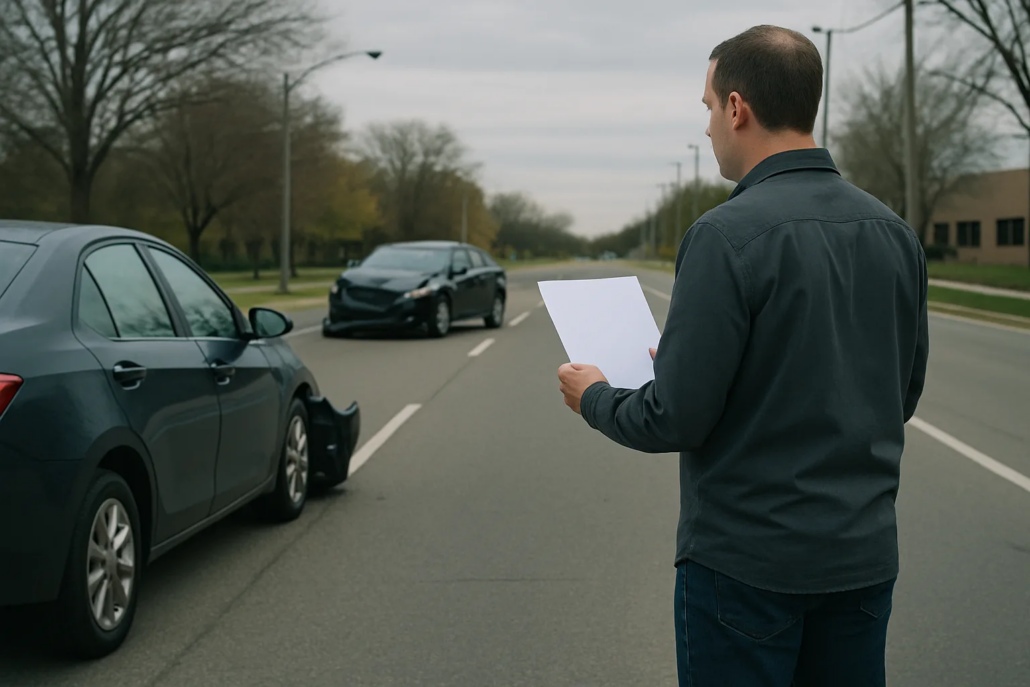
After a Michigan crash, finding out that the other driver has no insurance can create an immediate concern: who may pay for your injuries, vehicle damage, and other losses? If you were involved in an uninsured driver car accident in Detroit, you may wonder whether your own policy provides protection. A Michigan uninsured motorist accident lawyer can help explain the policy language and claim process, but coverage is not automatic in every case.
Michigan uninsured motorist coverage, often called UM coverage, may be relevant when the at-fault driver has no liability insurance. Underinsured motorist coverage may matter when the driver has insurance, but the available limits are not enough to address the claimed losses. This article explains where to look for applicable policies, how to preserve crash evidence, why prompt notice matters, and how to evaluate an insurer’s position without assuming that a denial ends the analysis. Neumann provides legal guidance to people reviewing these issues and can help them understand questions to raise during a consultation.
Is Michigan Uninsured Motorist Coverage Available After a Crash?
Michigan law and an insurance policy are not the same thing. Michigan’s no-fault system may provide certain personal protection benefits regardless of who caused a crash, subject to eligibility rules and policy terms. UM and UIM benefits are separate contractual protections that may be available under an automobile policy, depending on what was purchased and the wording of the contract.
Start with every potentially relevant policy
The first policy to review is often the one covering the vehicle involved in the crash. However, that may not be the only possible source. Depending on the policy and household circumstances, a person may need to investigate:
- The injured person’s automobile policy;
- A policy covering another vehicle in the household;
- Coverage available to a spouse or resident relative;
- A policy for a vehicle owned by an employer or used for work; and
- Whether the vehicle involved was insured under a commercial or specialty policy.
Whether a household policy applies can depend on definitions such as “insured,” “resident relative,” “occupying,” or “owned vehicle.” Exclusions and anti-stacking provisions may also affect the analysis. A policy that appears relevant at first glance may not provide benefits for every person, vehicle, or type of loss.
Uninsured does not always mean only “no policy”
A driver may be treated as uninsured under policy terms when there is no collectible liability coverage, when an insurer disputes coverage, or in some hit-and-run situations. Underinsured motorist coverage involves a different question: the other driver may have valid insurance, but the liability limits may be inadequate for the injuries and damages being claimed. The exact definitions and procedures vary by contract and by the facts of the Michigan crash.
What Should You Preserve and Report After a Michigan Crash?
An insurance claim is evaluated through documents, statements, and other evidence. A practical investigation can help clarify what happened and which policy provisions may apply. It is generally useful to preserve materials rather than relying on memory, particularly when the other driver’s insurance status is uncertain.
Consider gathering and retaining:
- The police crash report or other official crash information;
- The names and contact information of drivers and witnesses;
- Photographs or video of the vehicles, roadway, traffic controls, and visible property damage;
- Insurance cards, policy declarations pages, renewal materials, and claim correspondence;
- Medical records and bills received in connection with reported injuries; and
- Towing, repair, rental, wage, and other records related to the collision.
The Michigan State Police and local law-enforcement agencies may maintain crash-related information, depending on the investigating agency. In Detroit, records may involve local procedures and the agency that responded to the collision. Courts and insurers may apply different requirements to evidence, so a document’s existence does not by itself establish that a claim is covered.
Give notice without assuming the claim is accepted
Most policies contain notice provisions. They may require prompt reporting of a collision, cooperation with an investigation, sworn statements, or other information. A person should review the policy and consider obtaining advice about how to communicate with an insurer, especially if there are questions about fault, injuries, settlement, or the other driver’s coverage.
Notice is not the same as acceptance. Reporting a claim preserves an opportunity for the insurer to investigate, but the insurer may later request records, take a recorded statement, inspect a vehicle, or issue a coverage position. Keep copies of communications and note the dates of calls, letters, and claim submissions.
How Can You Evaluate a UM or UIM Claim Dispute?
When an insurer questions a Michigan UM coverage claim, the disagreement may involve more than whether the other driver had an insurance card. The policy, facts, and claim history must be considered together. A written denial or reservation of rights should be reviewed carefully rather than treated as self-explanatory.
Common questions in a coverage review
An attorney evaluating a potential underinsured motorist claim in Michigan may examine questions such as:
- Was UM or UIM coverage included, rejected, limited, or changed when the policy was issued or renewed?
- Does the policy’s definition of an uninsured or underinsured vehicle fit the facts?
- Were all required notices provided within the time and method described by the policy?
- Does the policy require consent before resolving a claim against the at-fault driver?
- Are there exclusions involving an owned vehicle, a household vehicle, an employer vehicle, or an unidentified driver?
- Does the insurer’s position rely on a policy provision that conflicts with another provision or with the facts?
These questions are fact-specific. For example, a settlement with the at-fault driver before reviewing the applicable policy may create a dispute under a consent-to-settle provision. A claim may also involve separate issues concerning no-fault benefits, bodily injury liability coverage, property damage, and UM or UIM benefits.
Do not confuse different types of insurance benefits
Michigan no-fault personal protection benefits and UM/UIM benefits serve different purposes. No-fault benefits may address certain medical expenses, wage loss, and related needs under applicable rules. UM or UIM benefits are generally tied to the policy’s protection against an uninsured or inadequately insured motorist and may require proof of covered damages and compliance with contractual conditions.
A car accident insurance dispute can therefore involve multiple insurers and overlapping questions. An insurer’s payment of one type of benefit does not necessarily resolve whether another type of coverage exists. Because Michigan insurance laws and policy forms may change, a current review of the governing policy and facts is important.
Frequently Asked Questions
Does Michigan require every driver to buy uninsured motorist coverage?
Michigan drivers must meet the state’s automobile insurance requirements, but UM coverage is a separate policy option and is not automatically included in every policy. Whether it was purchased, rejected, or limited may appear in the application, declarations page, or policy documents. The effect of a selection or rejection can depend on the policy and applicable Michigan law. A lawyer can review those materials in context.
Can I make a UM claim after a Detroit hit-and-run crash?
Possibly, depending on the policy’s treatment of unidentified or hit-and-run vehicles and the evidence showing that a qualifying collision occurred. Policies may impose special reporting, prompt-notice, and physical-contact requirements, although the wording varies. Police records, witness information, photographs, and timely insurer notice may be important. The availability of a claim cannot be determined from the location of the crash alone.
What if the at-fault driver has insurance, but the limits are too low?
Underinsured motorist coverage may become relevant when the other driver has liability insurance but the available limits are insufficient for the claimed damages. The policy may require disclosure of the other driver’s limits, documentation of losses, and insurer consent before settlement. Coverage also may be affected by exclusions, offsets, or limits. A Michigan attorney can explain the issues presented by the specific policy.
Can an insurer deny my UM claim after initially opening it?
An insurer may investigate a claim before deciding whether coverage applies. Opening a claim does not necessarily mean the insurer has accepted responsibility. A later denial may cite policy language, notice issues, disputed facts, or the status of the other driver’s insurance. Preserve the denial and related correspondence. Depending on the circumstances, an attorney may help assess whether the stated basis warrants further review.
How Neumann Can Help
Neumann is dedicated to helping Michigan motorists understand insurance issues that can follow a serious collision. The firm can evaluate potentially applicable policies, review declarations pages and claim correspondence, organize crash and damages evidence, and explain how UM or UIM provisions may interact with the facts. When an insurer questions coverage, Neumann is committed to fighting for a client’s rights while providing a realistic assessment of the legal issues and available options.
If you were involved in an uninsured driver car accident in Detroit or elsewhere in Michigan, contact Neumann for a free consultation or case evaluation. The firm is ready to evaluate your situation and discuss the next steps that may be available.
The information in this article is for educational purposes only and does not constitute legal advice. Contact a qualified attorney licensed in Michigan; Detroit for advice specific to your situation.

