
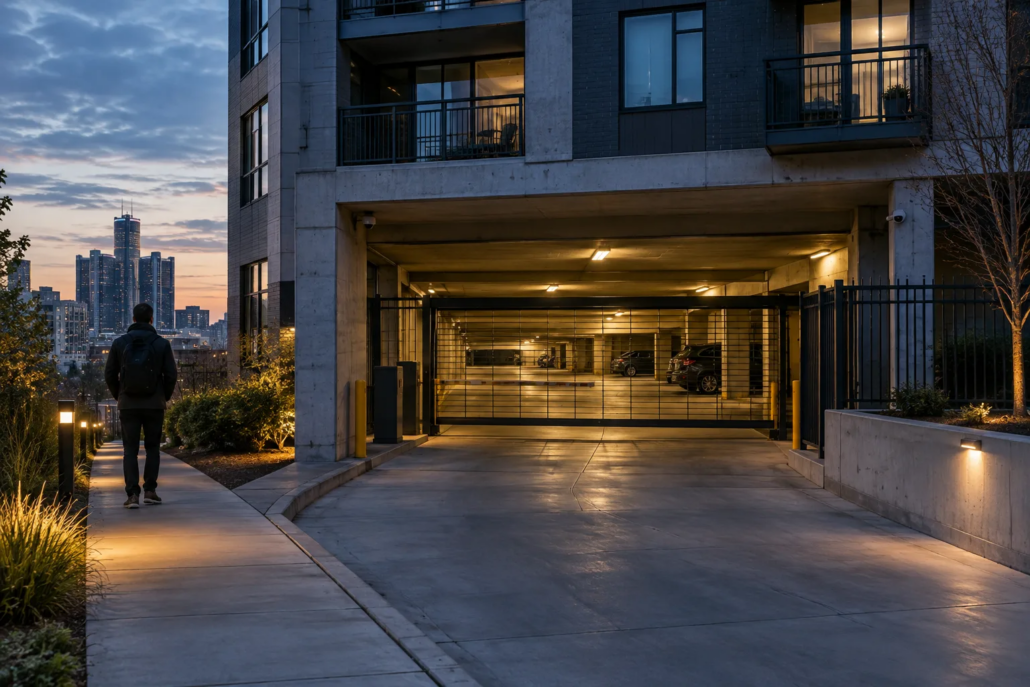
Could a Detroit Negligent Security Lawyer Review an Assault?
An assault in an apartment building or parking garage can leave an injured person dealing with more than immediate medical and practical concerns. Questions may arise about whether a property owner or manager controlled the area and whether security conditions played a role. A Detroit negligent security lawyer can assess those issues, but an assault alone does not establish that a property owner is legally responsible. Neumann can help readers understand what facts may matter and how to organize information while events are still clear. The discussion below covers security and foreseeability, responsibility for shared spaces, and useful evidence such as incident reports, photographs, witness details, communications with management, and security records. The legal analysis depends on the circumstances and applicable Michigan law.
When Could Negligent Security Matter After an Assault in Detroit?
A property owner is not automatically responsible whenever a crime occurs on the property. A civil claim may involve whether the owner or manager had a duty to take reasonable care, whether a security-related failure contributed to the injury, and whether the harm was sufficiently foreseeable under the facts. The person evaluating a claim will look at the specific location and circumstances—not just the fact that an assault happened.
Security conditions and foreseeability
Conditions that may warrant closer examination include inadequate lighting, a broken or unsecured entrance, malfunctioning locks, missing access controls, or security measures that were not maintained. Relevant context may also include prior similar incidents, complaints, or known problems in or near the area. These facts do not prove liability by themselves. Their significance depends on details such as what the owner knew or should have known, what control the owner exercised, and whether a reasonable measure could have addressed the risk.
A useful starting point is to review Detroit negligent-security factors such as lighting, access control, and prior incidents. For an assault in Detroit, the location matters: an apartment lobby, a stairwell, a parking structure, and a public sidewalk may be controlled by different parties and present different security questions. The inquiry is fact-specific, and criminal conduct does not automatically establish a property owner’s negligence.
Who Controlled the Apartment or Parking Garage?
Responsibility may depend on who owned, leased, managed, maintained, or controlled the place where the assault occurred. An apartment building can involve a property owner, management company, maintenance provider, or another entity with responsibility for a shared area. A parking garage may have separate ownership or management arrangements. A lease or property sign alone may not answer who had practical responsibility for a particular entrance, gate, hallway, or light fixture.
Clarifying control can help identify which parties and records may be relevant. Consider documenting:
- The exact location of the assault, including the entrance, floor, stall area, or route through the property.
- Who handled building access, lighting, repairs, security staffing, and resident complaints, if known.
- Whether the area was a shared space, a private unit, or a space maintained by another operator.
- Any names or contact details for property staff, contractors, or witnesses who may have information.
This is why how ownership and control can shape liability at a Detroit apartment complex can matter to an investigation. Avoid assuming that the landlord is the only potentially responsible party—or that a contractor is responsible—before the relationships and duties are understood. In a Detroit claim, an attorney may review available property and management records to assess those questions under Michigan law.
Organizing Reports, Photographs, and Other Evidence
Clear, organized information can help an attorney assess what happened and whether security conditions may be relevant. If it is safe and practical, make a written account while details are fresh. Record the date and approximate time, the precise location, what you observed before and after the assault, and who you spoke with. Keep original files where possible and note when and how photographs or messages were created.
Helpful materials may include:
- Photographs of the location and visible conditions, such as lighting, doors, gates, locks, or access points. Do not put yourself at risk to obtain them.
- A copy or reference number for a police incident report, if one was made. A report documents an account or response; it does not by itself decide civil liability.
- Names and contact information for witnesses, along with a brief note about what each person may have observed.
- Messages, emails, letters, or notes of calls with building management, including any complaint or repair request and the response.
- Details about cameras, guards, key cards, intercoms, or other security measures, including whether a device appeared damaged or unavailable.
Surveillance footage and electronic access records may be overwritten or retained only for a limited period, depending on the system and its operator. An attorney can assess whether a preservation request may be appropriate. For a broader checklist, see evidence that may support a Detroit premises-liability claim. Keep records together and avoid editing original photos or messages. These steps help preserve information for review; they do not determine whether a claim will succeed.
Frequently Asked Questions
Does an assault automatically make an apartment owner liable?
No. An assault does not automatically make a landlord or property manager legally responsible. A claim may depend on control of the area, the security measures in place, what the responsible party knew or reasonably should have known, and whether a security-related failure contributed to the injury. The circumstances must be evaluated under Michigan law. A police report or an unsafe condition may be relevant evidence, but neither alone resolves liability.
What if the assault happened in a parking garage?
A garage assault may raise questions about who controlled the garage and its entrances, lighting, gates, cameras, or staffing. The garage may be part of an apartment property or operated separately, so ownership and management arrangements can matter. Details about the route, time, access points, and visible conditions may help an attorney evaluate the situation. An assault in a garage does not by itself establish a negligent-security claim.
Should I keep communications with building management?
Keeping copies of relevant emails, texts, letters, and notes of conversations can help preserve a timeline of complaints, repair requests, or responses. Record dates and the names or roles of people you contacted, if known. Avoid altering original messages. These materials may provide context about what management knew or did, but their relevance depends on the facts and applicable law. An attorney can review them alongside other evidence.
Can I still ask a lawyer about a claim if I do not have a police report?
A police report may be useful, but not having one does not by itself answer whether a civil claim can be evaluated. Other information—such as photographs, witness details, communications, or medical records—may also help explain the event and resulting injuries. Deadlines and requirements can vary based on the claim and circumstances. A Michigan attorney can review the available information and explain which rules may apply.
How Neumann Can Help
Neumann is committed to helping injured people understand how property control, security conditions, and available records may affect a potential claim. A review can consider the setting, incident documentation, witness information, communications with management, and whether relevant security records may exist. No outcome can be promised, and each situation depends on its facts and applicable Michigan law. If you were hurt in an apartment building or parking garage in Detroit, contact Neumann to request a free consultation or case evaluation and discuss your circumstances.
The information in this article is for educational purposes only and does not constitute legal advice. Laws vary by location and may change; contact an attorney licensed in Michigan for advice specific to your situation.


Leave a Reply
Want to join the discussion?Feel free to contribute!