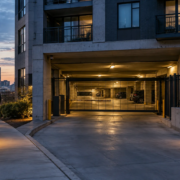

What Should Detroit Negligent-Security Counsel Tell Victims?
An assault at a bar or in a parking lot can leave an injured person dealing with medical concerns, uncertainty, and difficult questions about what happened. Was the area dark? Were entrances controlled? Had similar incidents occurred before? In Detroit, those facts may matter when evaluating whether a business or property owner took reasonable steps to protect people who were invited onto the property. A prior negligence claim involving failure to protect a passenger from assault also illustrates why the attacker’s conduct and a property owner’s possible negligence are legally distinct issues.
So, can a Detroit negligent security lawyer assess bar injuries or a parking lot assault injury? Potentially. Neumann can help readers understand the questions that may arise, what evidence can disappear quickly, and how Michigan premises-liability principles may apply. This article discusses immediate steps after an assault, facts that may support foreseeability, complications involving public property, and common mistakes that can make an evaluation harder.
Can a Detroit Negligent Security Lawyer Identify a Security-Based Claim?
Negligent security is generally a premises-liability theory. It may arise when a property owner, operator, or occupier allegedly fails to take reasonable precautions against foreseeable criminal activity, and that failure is connected to a visitor’s injury. The analysis is fact-specific. An assault alone does not automatically establish that a business or property owner is legally responsible.
What makes an assault-related injury a negligent-security claim?
A lawyer may examine the relationship between the criminal act and the condition or management of the property. Relevant questions can include:
- Was the injured person a customer, guest, employee, or other lawful visitor?
- Did the business know or have reason to anticipate risks in the area?
- Were lighting, locks, gates, cameras, alarms, or entrances functioning?
- Did staffing, security patrols, crowd control, or alcohol-service practices affect the situation?
- Was there a connection between an alleged security failure and the assault?
Prior incidents can be important, but they are not the only consideration. The location, time, layout, activity level, and nature of the property may also affect what precautions were reasonable. A Detroit bar, an apartment-adjacent lot, and a shopping center may present different risks and duties.
What Evidence Can Support a Michigan Negligent Security Claim?
Evidence often becomes harder to obtain as time passes. Cameras may overwrite footage, businesses may change security arrangements, and witnesses may forget details. After receiving appropriate medical attention, an injured person may generally consider taking these steps, as circumstances permit:
- Report the incident. Contact law enforcement or property management when reasonably safe. Request information about the report and preserve any reference number.
- Identify witnesses. Record names and contact details for people who saw the assault, noticed the lighting, or observed what happened before and after the incident.
- Request preservation of video. Promptly ask the business or property manager to preserve surveillance footage from relevant entrances, walkways, parking spaces, and surrounding areas. A request does not guarantee that footage exists or will be provided, but delay can make preservation more difficult.
- Document the scene. If safe, photographs may show lighting, blocked views, broken fixtures, open gates, missing cameras, or the relationship between the bar and parking area. Avoid returning to an unsafe location solely to take pictures.
- Keep records. Save medical records, discharge paperwork, receipts, messages, photographs, and notes describing symptoms and missed activities.
In Detroit, documentation may help counsel evaluate whether conditions were observable and whether the alleged security problem had a meaningful connection to the injury. A review of security failures at a busy Detroit public-facing property can provide additional context about access control, perimeter protection, and security planning, although each incident requires its own analysis.
Why do lighting, staffing, and prior incidents matter?
A dark walkway does not by itself prove negligence, and a camera does not necessarily prevent every assault. The question is usually broader: what risks were reasonably foreseeable, and were the precautions appropriate for the setting? Prior police calls, incident reports, complaints, maintenance records, security contracts, and employee schedules may help establish what a property operator knew or should have considered. A lawyer may also examine whether the alleged condition existed long enough to be discovered and addressed.
What Should Victims Do After a Bar or Parking Lot Assault?
Safety and medical care should come first. Emergency treatment may be appropriate for serious symptoms or urgent concerns, and medical professionals—not legal writers—should address diagnosis and treatment. Reporting the incident can create an important record, but an injured person’s ability to report immediately may depend on pain, fear, intoxication by another person, transportation, or other circumstances.
A potential claim may involve more than the attacker. The responsible parties could depend on ownership, leasing, management, security arrangements, and the specific condition that allegedly contributed to the injury. Before discussing fault publicly or signing a release, a person may want to understand what claims and deadlines could apply. Michigan law governs many incidents in Detroit, but laws and procedures can vary by location and may change over time.
What if the parking lot belongs to the city?
Ownership can materially change the analysis. If a city, township, county, or other governmental entity owns or controls a parking lot, public park, or facility, governmental-immunity rules and statutory exceptions may affect whether a claim can proceed. These issues can involve notice, the identity of the governmental entity, the nature of the condition, and the type of injury alleged.
Readers can review this discussion of Michigan governmental-immunity issues in public-premises injury cases for background, but an online article cannot determine how those rules apply to a particular event. A Detroit claim may involve Wayne County or a city department, while a similar incident in Grand Rapids may involve Kent County or a different public entity. Identifying the correct owner and preserving notice-related information can be important parts of an evaluation.
Common mistakes after an assault-related injury
People sometimes delete messages, overlook witnesses, assume video will be saved automatically, or post detailed accounts on social media. Others may believe that an arrest or criminal investigation automatically establishes civil liability. Criminal and civil matters are separate, and the existence of one does not necessarily resolve the other. Keeping communications and records organized can help an attorney assess the facts without relying only on memory.
Frequently Asked Questions
Can a business be responsible if someone else committed the assault?
Possibly, depending on Michigan law and the facts. The attacker may be primarily responsible, but a business or property operator could also face a negligence claim if an unsafe condition, inadequate precautions, or a failure to respond to foreseeable risks contributed to the injury. The criminal act does not automatically prove premises liability, and the property owner is not automatically protected from scrutiny. An attorney would generally examine notice, foreseeability, causation, and the visitor’s status.
How soon should surveillance footage be requested?
As soon as reasonably practical after the incident. Many systems preserve footage for a limited period, and recording practices vary by business and equipment. A prompt written preservation request can identify the date, approximate time, location, entrances, walkways, and parking areas involved. It cannot ensure that usable footage exists, but waiting may increase the risk that relevant material is overwritten or altered through routine system operation.
Does an assault report prove a Michigan negligent-security claim?
No. A police report may document the reported event and provide leads to witnesses or other evidence, but it does not by itself establish that a property owner breached a legal duty. A negligent-security analysis may require information about prior incidents, lighting, access control, staffing, warnings, maintenance, and the causal connection between the property condition and the injury. Other evidence, including video and medical records, may also matter.
Can I pursue a claim if I was injured in a bar’s parking lot?
A parking-lot injury may warrant review of ownership, control, lighting, security measures, prior complaints, and the circumstances of the assault. Whether a claim exists can depend on facts such as why the person was on the property, who controlled the lot, and whether an alleged failure was connected to the injury. Deadlines and special rules may apply, particularly when public ownership is involved, so a licensed Michigan attorney can provide situation-specific guidance.
How Neumann Can Help
Neumann is dedicated to helping injured people understand the legal issues that may follow an assault at a Detroit bar, parking lot, or other public-facing property. The firm can evaluate available records, the property’s ownership and control, potential witnesses, security conditions, and the relationship between the alleged negligence and the injury. For readers in Grand Rapids and elsewhere in Michigan, the applicable facts and legal rules may differ, so a careful, location-specific review matters. Neumann is committed to fighting for clients’ rights and is ready to evaluate your situation. Contact the firm for a free consultation or case evaluation.
The information in this article is for educational purposes only and does not constitute legal advice. Contact a qualified attorney licensed in Detroit; Grand Rapids for advice specific to your situation.