
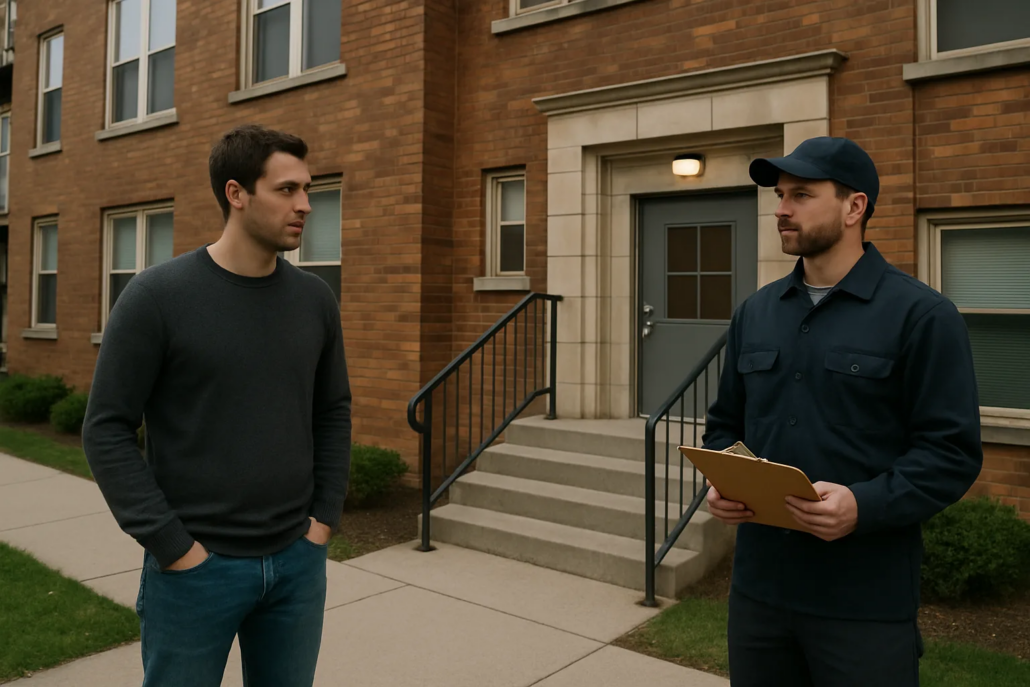
How Can Detroit Apartment Injury Lawyers Trace Liability?
A serious injury in an apartment hallway, parking area, stairwell, or common room can leave a tenant or guest asking a difficult question: who was responsible for making that area reasonably safe? The answer is not always obvious. The property owner, management company, maintenance contractor, snow-removal company, or security provider may each have different responsibilities.
For readers searching for a Detroit apartment injury lawyer, the key issue is usually more than where the incident happened. It is who controlled the location, who knew or should have known about the hazard, and whether reasonable steps were taken to address it. Michigan premises liability and future medical expenses damages may also become important when an injury requires continuing treatment.
Neumann helps people understand the facts that can shape an apartment injury claim without assuming that any particular party is liable. This article explains who may be involved, what evidence can help clarify responsibility, and how Michigan tenants and guests can evaluate their legal options after a serious incident in Detroit or elsewhere in Michigan.
Who May Be Responsible for a Detroit Apartment Injury?
Michigan apartment premises liability generally focuses on possession, control, notice, and the circumstances of the injury. Ownership alone does not automatically establish responsibility for every accident. A careful review may need to identify who had the practical duty to inspect, repair, warn, secure, or maintain the specific area.
Property owners and management companies
A property owner may have responsibilities involving common areas such as entrances, sidewalks, stairways, elevators, parking lots, and laundry rooms. A management company may handle inspections, tenant complaints, work orders, vendor scheduling, and warnings. In some buildings, the owner and manager are separate entities; in others, their functions overlap.
Potential questions include:
- Who controlled the area when the injury occurred?
- Was the hazard reported through a repair request, portal, email, or phone call?
- How long may the condition have existed?
- Did employees or contractors inspect the area?
- Was a warning, barrier, lock, or temporary repair used?
Maintenance, snow-removal, and security contractors
A contractor may be relevant when the incident involves incomplete repairs, negligent maintenance, untreated ice, defective lighting, or security work. The contract may help show which duties were assigned, but the contract is only one part of the analysis. Control, performance, notice, and the specific facts of the incident can all matter.
For example, a broken stair railing may raise different questions from an attack connected to a defective entry lock. A Detroit apartment injury lawyer may investigate each party’s role instead of assuming that the landlord is the only possible defendant.
How Do Apartment Hazards and Security Conditions Affect Responsibility?
The type of hazard often determines what evidence and legal questions deserve attention. In Detroit and Grand Rapids, apartment incidents may involve winter conditions, aging structures, crowded parking areas, or security features that were not maintained. These facts do not automatically prove negligence, but they can help define the investigation.
Ice, snow, stairs, and walkways
Responsibility for a winter fall may depend on who controlled snow and ice removal, when the condition formed, whether it was reported, and whether reasonable steps were taken. Photographs showing the surface, drainage, lighting, footwear conditions, and surrounding area can be useful. Weather information and witness accounts may also help establish timing.
Readers may find this discussion of Detroit winter slip-and-fall hazards useful when considering untreated walkways, stairs, and parking areas. A tenant should not assume that a lease or a verbal statement alone resolves which party handled snow removal.
Lighting, locks, and security concerns
Poor lighting, broken entry doors, defective locks, or unsecured common areas may raise premises-liability and security questions. The analysis can depend on the location, prior complaints, known conditions, building access, security measures, and whether a particular risk was reasonably foreseeable. Evidence of prior incidents may be relevant, but the existence of an incident does not by itself establish legal responsibility.
Property ownership also does not automatically make an owner responsible for every act of a third party. This discussion of Michigan premises liability and security responsibility illustrates why control, foreseeability, and the relationship between an owner and contractor can matter.
What Evidence Can Clarify an Apartment Complex Injury Claim?
Evidence can disappear quickly. A camera system may overwrite footage, a hazard may be repaired, and witnesses may forget details. Depending on the circumstances, a tenant or guest may want to preserve information without altering the scene or making assumptions about fault.
Records that may identify control and notice
Potentially useful materials can include:
- Photographs or video of the hazard, surrounding area, lighting, stair condition, ice, locks, or warning signs.
- Repair requests, maintenance tickets, emails, texts, portal messages, and written notices.
- Lease provisions, community rules, move-in inspection records, and notices about repairs or security.
- Names and contact information for witnesses, responding personnel, neighbors, or employees.
- Surveillance-camera locations, access-control information, and requests to preserve relevant footage.
- Medical records and bills that document the injury, treatment, restrictions, and possible future care.
A person should avoid altering, cleaning, repairing, or discarding evidence when possible. They should also be cautious about posting statements or photographs that could be misunderstood. A written incident report may be helpful, but it is important to read it carefully and note factual errors promptly.
Understanding possible damages
An injury claim may involve medical expenses, lost income, pain and suffering, and other damages recognized under Michigan law. Serious injuries may require evidence about continuing treatment, work limitations, and future medical needs. The available damages depend on the facts, applicable law, and proof. Neumann’s discussion of Michigan premises liability damages and future medical expenses provides additional context.
A consultation can also help identify whether multiple parties, insurance policies, or contractual relationships require examination. Deadlines and procedural requirements may apply, and they can vary by claim type and jurisdiction.
Common Mistakes After an Apartment Injury
People often focus on the immediate injury and overlook information that could later clarify responsibility. Common problems include failing to photograph the area, relying only on a verbal complaint, or assuming that the person who accepted a rent payment controlled every maintenance duty.
Other issues may include:
- Waiting too long to report the incident or request preservation of surveillance footage.
- Describing conclusions such as “the landlord caused this” instead of recording observable facts.
- Failing to identify whether a contractor, security company, or property manager was involved.
- Providing a recorded statement or signing a document without understanding its purpose.
- Ignoring medical follow-up or failing to keep records of treatment and work restrictions.
These points are educational, not instructions for a particular case. Depending on the circumstances, an attorney may review the lease, maintenance history, photographs, reports, witness information, and medical documentation to assess potential claims. Michigan law may differ from the law in another state, and legal rules can change.
Frequently Asked Questions
Can a tenant bring a claim if the injury happened in a common area?
Possibly. Common-area incidents may involve entrances, halls, stairs, elevators, sidewalks, parking lots, or shared facilities. Responsibility can depend on who possessed or controlled the area, whether the condition was known or reasonably discoverable, and whether the injury was connected to that condition. Lease terms, maintenance arrangements, notice records, and the facts of the incident may all matter under Michigan law.
Does a landlord have responsibility for a maintenance contractor’s work?
That depends on the relationship and facts. A maintenance contractor may have direct responsibilities for the work it agreed to perform, while an owner or manager may retain inspection, supervision, or warning duties. Contract language can be relevant, but it does not answer every question. A lawyer may need to examine the work order, the condition of the property, complaints, and the contractor’s actions.
What if an apartment security problem involved another person’s conduct?
An owner is not automatically liable for every act committed by another person. A claim may require analysis of the property’s condition, access controls, lighting, prior reports, foreseeability, and the responsibilities of any security provider. The facts may be different when an injury involves a broken lock, an unsecured door, or an alleged failure to address a known safety condition.
Can a guest pursue an apartment-complex injury claim?
A guest may have a claim in some circumstances, even without being a tenant. The analysis can consider why the guest was on the property, whether the owner or manager knew or should have known about the hazard, and whether reasonable warnings or repairs were provided. A guest’s legal rights depend on the specific facts, applicable Michigan law, and available evidence.
How Neumann Can Help
Neumann is dedicated to helping injured tenants and guests understand the possible sources of responsibility after an apartment-complex incident. The firm can evaluate questions involving owners, management companies, maintenance vendors, snow-removal contractors, security providers, repair records, surveillance, witnesses, and medical documentation.
A Detroit apartment injury lawyer may also help organize the facts, identify potentially relevant parties, and explain how Michigan deadlines and damages rules may apply. Neumann is committed to fighting for clients’ rights while recognizing that every claim depends on its own evidence and circumstances.
Contact Neumann for a free consultation or case evaluation to discuss what happened and explore your legal options.
The information in this article is for educational purposes only and does not constitute legal advice. Contact a qualified attorney licensed in Detroit; Grand Rapids for advice specific to your situation.


Leave a Reply
Want to join the discussion?Feel free to contribute!