
Can a Detroit Slip and Fall Lawyer Help After a Snowy Fall?
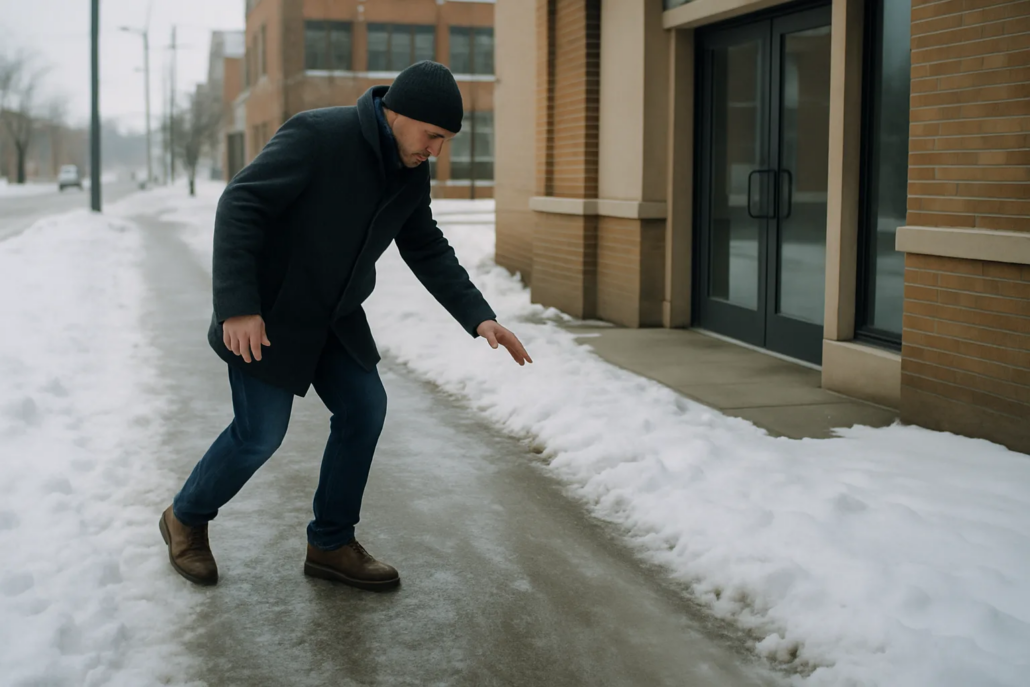
A snowy sidewalk can look passable while hiding packed ice, uneven accumulation, or a slick transition near a doorway. After a fall, the most important evidence may change quickly as snow is cleared, temperatures shift, and surveillance footage is overwritten. Understanding Detroit winter weather and snow conditions can help explain why timing and documentation matter.
A Detroit slip and fall lawyer may examine whether a property owner, tenant, manager, municipality, or snow-removal contractor had responsibility for the area and whether the law recognizes a claim under the facts. Neumann provides guidance for people evaluating these questions in Detroit, Grand Rapids, and elsewhere in Michigan. This article covers practical steps after a winter fall, notice and open-and-obvious issues, identifying responsible parties, and using medical records to document the injury.
When Could a Detroit Property Owner Be Responsible for a Snowy Sidewalk Fall?
Michigan premises-liability analysis generally begins with control of the property, the visitor’s status, the condition that caused the fall, and what the responsible party knew or reasonably should have known. A business, landlord, apartment complex, property manager, or other occupier may have different responsibilities depending on the location and the circumstances. A Michigan slip-and-fall premises liability case can provide general background, but each claim depends on its own evidence.
Document the scene and weather immediately
If it is reasonably safe to do so, preserve details before the condition changes. Useful information may include:
- Wide and close photographs of the snow, ice, slope, lighting, curb, mats, stairs, and walking path.
- The exact location, approximate time, and direction of travel.
- Weather conditions, recent snowfall, thawing and refreezing, and whether the area appeared recently plowed or salted.
- Clothing and footwear, without altering them before they can be documented if they may be relevant.
- Names and contact information for witnesses who saw the fall or the condition beforehand.
A store, apartment complex, or parking facility may have video cameras. A written request to preserve relevant footage may be important because routine recording systems do not necessarily retain video indefinitely. Photographs and publicly available weather records may help establish what the area looked like at the relevant time, but they do not by themselves prove liability.
Consider whether the condition was recurring
Evidence of repeated accumulation, prior complaints, inspection routines, or a pattern of refreezing may help address how long a condition existed and whether the owner had an opportunity to respond. A snowstorm that began moments before a fall may present different notice questions than ice that remained near an entrance over an extended period. These distinctions require careful factual review.
What Evidence Helps Establish Notice and Responsibility in Detroit and Grand Rapids?
Notice is often a central issue in a Michigan snow and ice injury claim. An injured person may need evidence that the property owner or occupier actually knew about the condition or that it existed long enough, or occurred often enough, that the responsible party reasonably should have discovered it. Proving notice of a dangerous condition may involve more than showing that snow or ice was present.
A practical investigation may seek:
- Incident reports, complaint records, emails, or text messages about the area.
- Inspection, salting, plowing, and shoveling logs.
- Contracts, invoices, schedules, and instructions involving snow-removal services.
- Surveillance footage and photographs taken by employees or visitors.
- Weather data showing snowfall, freezing temperatures, precipitation, or a freeze-thaw cycle.
- Witness accounts describing how long the condition appeared to exist.
Identify every potentially responsible party
The property owner may not be the only party worth investigating. A tenant, landlord, property manager, condominium association, maintenance company, or snow-removal contractor may have controlled or agreed to maintain the walkway. Preserving the names on service vehicles, posted management information, receipts, leases, invoices, and incident forms can help counsel evaluate the relationship among these parties. The possibility of adding a nonparty at fault in a Michigan slip-and-fall case is one reason it is risky to assume that only the property owner matters.
If the sidewalk belongs to a city
A public sidewalk may involve different rules from a privately controlled walkway. Identifying whether Detroit, Grand Rapids, Wayne County, Kent County, or another public entity has responsibility is only an initial step. Governmental-liability rules, notice provisions, and claim deadlines may affect whether and how a claim proceeds. A fall claim involving a Michigan city should be evaluated under the law applicable to the specific public location and facts.
How Can a Visitor Address Open-and-Obvious Arguments and Preserve the Claim?
A property owner may argue that snow or ice was visible and therefore should have been recognized by a visitor. Michigan’s open-and-obvious hazard doctrine can become important in premises-liability disputes, but visibility is not always a simple question. Lighting, shadows, weather, the angle of view, crowds, distractions, changes in the surface, and whether a person had a reasonable alternative route may matter.
For example, a broad, plainly visible patch of snow may present a different factual issue from thin ice concealed by fresh powder or a dark entrance area. Whether the condition was open and obvious, and whether special circumstances affected a visitor’s ability to avoid it, may depend on photographs, testimony, measurements, video, and other evidence. In some disputes, whether an open-and-obvious issue should go to a jury may turn on conflicting facts rather than a label applied after the event.
Use medical records to document the injury
Medical documentation can connect the reported symptoms to the fall and show the course of evaluation and treatment. Records may include the first examination, diagnostic results, treatment recommendations, work restrictions, bills, follow-up visits, and information about medically supported future care. Keeping appointments and describing symptoms accurately to healthcare professionals may help create a complete record, but treatment decisions belong to qualified medical providers.
A lawyer reviewing future medical expenses in a premises liability case may also examine whether the evidence supports anticipated care and expenses. Preserving records does not guarantee that any particular damage category will be recoverable.
Common documentation mistakes
Avoid guessing about who owns the property, posting detailed conclusions about fault online, discarding footwear or clothing that may matter, or waiting so long that photographs, witness contact information, and video become unavailable. An injured person may also want to keep a simple chronology of the fall, symptoms, appointments, missed work, and communications. Depending on the circumstances, a Detroit slip and fall lawyer may help identify what evidence should be preserved and which deadlines may apply.
Frequently Asked Questions
Does a recent snowstorm automatically excuse a Detroit property owner?
No. A recent storm may affect whether the owner had reasonable time to discover and address the condition, but it does not automatically resolve every claim. The timing of snowfall, the property’s inspection practices, prior accumulation, the specific hazard, and the owner’s control may matter. A fact-specific review is necessary, particularly when the fall occurred after plowing, salting, or a period of refreezing.
Can I pursue a claim if I fell in an apartment complex parking lot?
Possibly, depending on ownership, control, maintenance agreements, notice, and the facts surrounding the fall. The responsible party could include an owner, landlord, property manager, association, tenant, or contractor. Photographs, witness information, parking-lot video, service logs, and lease or management details may help determine who controlled the area and whether a legal claim may be available.
What if I do not know who maintained the sidewalk?
You may not know immediately. Look for neutral identifying information such as property-management details, service notices, receipts, incident-report contacts, or the name on a maintenance vehicle, without confronting anyone or making assumptions. A lawyer may investigate ownership and maintenance contracts through available records. The identity of the responsible party can affect notice, deadlines, and the appropriate claim process.
Are medical bills the only damages considered after a winter fall?
No. Depending on the evidence and applicable Michigan law, an evaluation may consider medical expenses, limitations, lost income, pain-related effects, and medically supported future needs. The availability and value of any category depend on proof and legal defenses. Complete records, work documentation, treatment information, and a clear account of how the injury affected daily activities may be relevant.
How Neumann Can Help
Neumann is dedicated to helping injured people understand potential premises-liability claims arising from snowy sidewalks, parking lots, apartment complexes, and commercial entrances. The firm can evaluate questions involving property control, notice, snow-removal practices, open-and-obvious arguments, witness evidence, governmental entities, and medical documentation. Its team is committed to fighting for clients’ rights while explaining the process in clear terms for people in Detroit, Grand Rapids, and throughout Michigan.
If you were hurt in a winter fall, contact Neumann for a free consultation or case evaluation. The firm is ready to review the available facts and discuss your legal options without promising a particular outcome.
The information in this article is for educational purposes only and does not constitute legal advice. Contact a qualified attorney licensed in Detroit; Grand Rapids for advice specific to your situation.


Leave a Reply
Want to join the discussion?Feel free to contribute!