
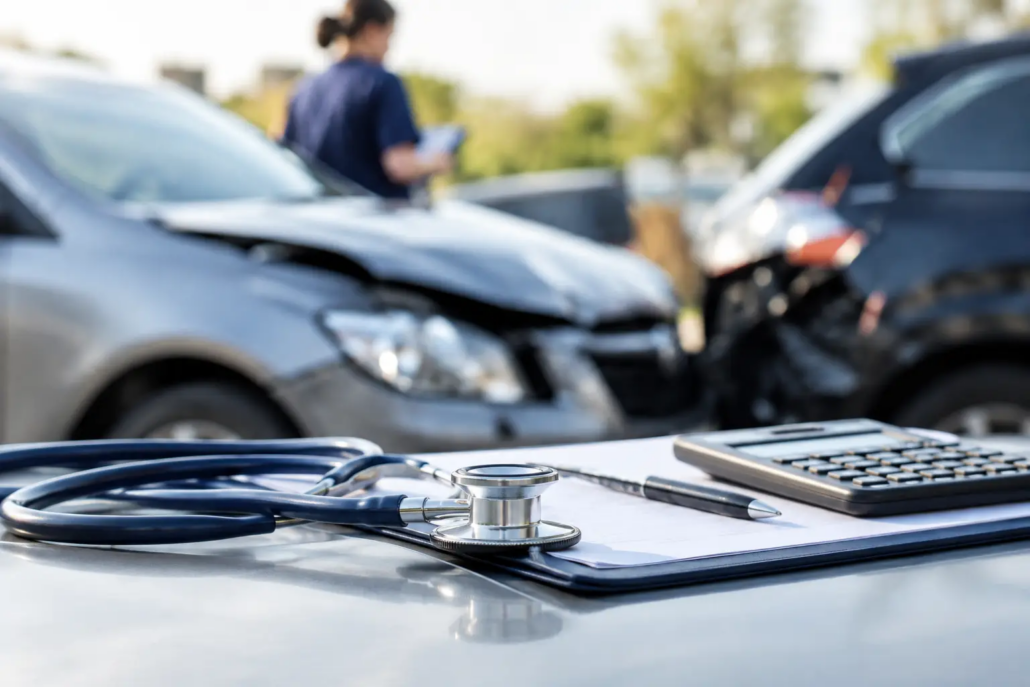
Who Pays Crash Medical Bills in Michigan?
A crash can turn into a financial emergency before the tow truck leaves the scene. Ambulance transport, emergency imaging, surgery, physical therapy, prescriptions, and follow-up care can produce bills quickly. For Michigan families asking who pays crash medical bills, the answer often begins with no-fault Personal Injury Protection, or PIP, benefits. But the right source of payment depends on the insurance policies involved, the coverage selected, the type of person injured, and the seriousness of the collision.
Michigan’s no-fault system is designed to get medical care paid without waiting for a police investigation or a decision about who caused the wreck. That does not mean every bill is automatically covered, every insurer agrees, or an at-fault driver is off the hook forever. Early notice, careful records, and a review of all available coverage can make a meaningful difference when treatment is urgent.
Who Pays Crash Medical Bills Under Michigan No-Fault Law?
For many people injured while driving or riding in a vehicle, their own auto insurance policy is the first place to look. PIP medical benefits can pay for reasonably necessary medical care, rehabilitation, attendant care, medical equipment, and related services resulting from crash injuries. These benefits are available regardless of fault, so a person may have a PIP claim even if they made a driving mistake before the collision.
The amount available depends on the PIP medical coverage chosen on the applicable policy. Since Michigan’s no-fault reforms, motorists can select different medical-benefit limits or, in limited circumstances, opt out based on qualifying health coverage. A person with unlimited PIP coverage faces a different situation than someone whose policy has a lower selected limit.
The policy that pays is not always the policy covering the vehicle involved in the crash. In many cases, priority starts with the injured person’s own auto insurer. If that person has no policy, coverage through a spouse or a resident relative may apply. Other priority rules can involve the insurer for the vehicle’s owner or registrant. Pedestrians, bicyclists, passengers, and people injured in a rideshare or commercial-vehicle crash may face different priority questions.
That is why an insurer should not be allowed to give a quick verbal answer without a full coverage review. A Detroit resident injured as a passenger in a friend’s car, for example, may have more than one household or vehicle policy that needs to be identified.
PIP pays medical expenses, but only within the coverage available
PIP benefits are meant to cover accident-related care that is reasonable and necessary. The insurer may still question the connection between the treatment and the crash, the charge for a service, or whether continued care is medically necessary. These disputes are especially common with ongoing physical therapy, pain management, rehabilitation, home modifications, and in-home attendant care after a life-altering injury.
A denial letter does not necessarily mean the treatment was improper or that the injured person must accept the bill personally. It may mean the insurer wants additional medical documentation, has applied the wrong policy coordination, or is disputing an issue that deserves legal review.
When Health Insurance Pays First
Some Michigan auto policies are coordinated with health insurance. With coordinated coverage, a health plan may be primary for certain medical treatment, while PIP may cover remaining eligible expenses. This can reduce an auto premium, but it can also leave injured people dealing with two insurance companies instead of one.
Health insurance is not identical to PIP coverage. A health plan may have deductibles, copays, provider-network rules, prior-authorization requirements, or exclusions that do not apply to PIP in the same way. It may also refuse services related to auto injuries until it receives information about available PIP coverage.
Medicare and Medicaid require particular care. Their role may depend on the PIP option selected, the services being billed, and the available coverage. A settlement or recovery from another claim can also trigger repayment issues. Before signing a broad release or spending settlement proceeds, an injured person should understand whether a government program, health insurer, or medical provider asserts a reimbursement claim.
What Happens After PIP Coverage Is Used Up?
When PIP medical benefits are exhausted, the next source of payment may be health insurance, Medicare, Medicaid, or another benefit program, depending on the person’s eligibility and policy terms. Providers may also bill the patient while coverage questions are being resolved. Ignoring those bills can lead to collection pressure at the worst possible time, so they should be documented and addressed promptly.
The driver who caused the crash may also be responsible for some losses. Michigan law permits an injured person to pursue a bodily injury claim against an at-fault driver in qualifying cases, including when the victim suffers death, serious impairment of body function, or permanent serious disfigurement. A claim may also seek certain economic losses that exceed applicable no-fault benefits.
This is not a substitute for PIP. An at-fault claim can take time, and the other driver’s insurer may fight both fault and the extent of the injury. Still, it can be essential after a high-speed collision, wrong-way crash, trucking wreck, or intersection impact that leaves someone with permanent limitations and medical needs beyond their available PIP coverage.
If the at-fault driver is uninsured or underinsured, uninsured and underinsured motorist coverage may become a critical part of the recovery analysis. That coverage does not automatically function as a first-payment medical plan. Instead, it may help compensate an injured person for legally recoverable damages when the responsible driver lacks sufficient liability insurance.
If There Is No Available Auto Insurance
Michigan has a safety net for some people injured in crashes who do not have applicable no-fault coverage. The Michigan Assigned Claims Plan may provide benefits in eligible situations. Eligibility and priority rules are strict, particularly if the injured person owned an uninsured vehicle or was otherwise required to maintain no-fault insurance.
Do not assume there is no coverage simply because the vehicle was borrowed, the driver was uninsured, or the crash involved a hit-and-run vehicle. Household policies, the vehicle owner’s policy, commercial policies, and assigned-claims benefits may need to be investigated. The facts matter, and so do the dates, addresses, vehicle ownership records, and insurance declarations.
Protect Your Medical Claim Before Bills Become a Crisis
Medical providers focus on treatment, while insurers focus on documentation and policy language. The injured person is often caught between them. Taking a few steps early can preserve a claim and reduce confusion later:
- Notify potentially applicable auto insurers promptly and keep the claim number, adjuster’s name, and all letters.
- Save ambulance records, discharge instructions, prescriptions, therapy notes, medical bills, and proof of out-of-pocket costs.
- Tell each treating provider the crash date and every insurance source they should bill, but do not guess about coverage.
- Avoid signing releases, recorded statements, or payment agreements you do not understand while medication, pain, or stress is affecting your judgment.
- Seek immediate legal review if PIP benefits are delayed, treatment is denied, bills are sent to collections, or the injuries may be permanent.
It also helps to keep a simple symptom and treatment journal. After a Grand Rapids, Traverse City, or Detroit-area crash, pain may worsen days later, and limitations at work or home can become clearer over time. Consistent records can help show why continued treatment is necessary.
Fault Still Matters, Even in a No-Fault State
No-fault benefits answer the immediate medical-payment question in many Michigan crashes, but fault still matters for a liability case. Police reports, vehicle damage, scene photographs, witness names, traffic-camera footage, cell phone records, and commercial-driver logs can become vital evidence. This is particularly true in multi-vehicle pileups and trucking collisions, where insurers may try to shift responsibility among several drivers or companies.
Do not wait for the other insurer to “accept fault” before getting medical care or opening a PIP claim. Treatment should follow medical advice, and the claim process should begin while evidence and policy information are still available.
A serious crash should not force a Michigan family to choose between necessary care and financial survival. If medical bills are mounting or an insurer is refusing to pay, Neumann Law Group can review the coverage, the denial, and the options available in a free consultation. The most helpful next step is often simple: preserve every bill and record, get the medical care you need, and ask for help before a coverage dispute hardens into a financial crisis.


Leave a Reply
Want to join the discussion?Feel free to contribute!