
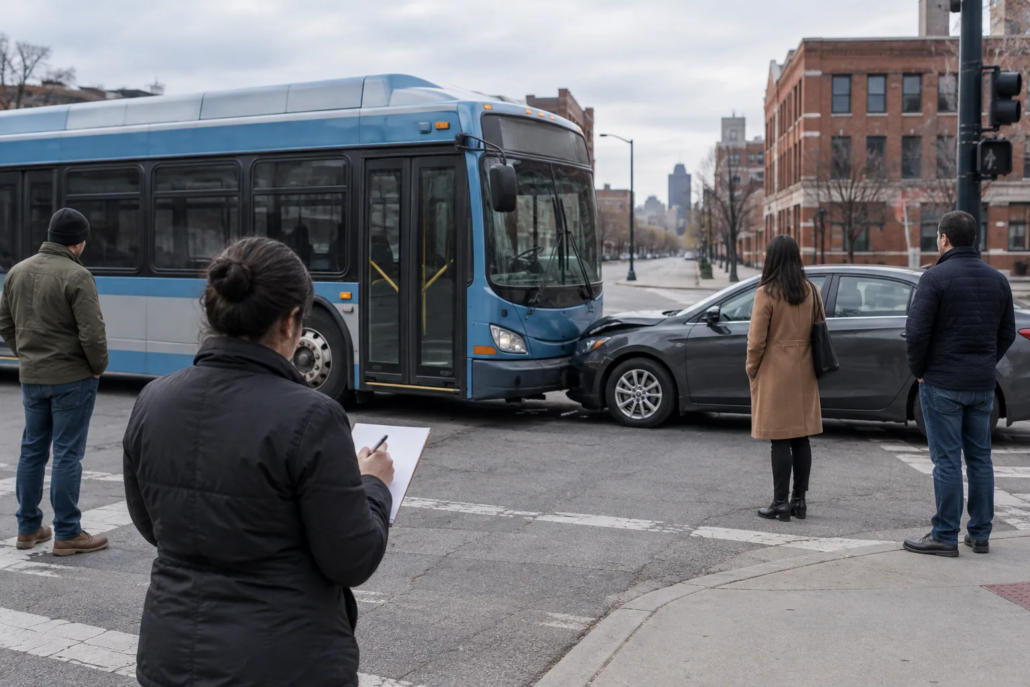
When Should a Detroit Transit Bus Accident Lawyer Help?
A collision with a transit bus can leave passengers, people in other vehicles, pedestrians, and cyclists facing many of the same immediate concerns: injuries, disrupted travel, and questions about what happened. But a Detroit transit bus accident lawyer may need to examine issues that do not arise in the same way in a typical two-car crash. A public entity may be involved, and notice rules, governmental immunity, and the identity of the operator can affect how a claim is evaluated.
Neumann helps people understand the questions that may arise after a serious collision. This guide explains how public-entity rules can affect a Detroit bus crash injury claim, why insurance and liability investigations are separate, and what details may help preserve evidence. The right process depends on the facts, so a bus’s appearance alone does not establish who owned or operated it or which rules apply.
Why a Detroit transit-bus injury claim may involve different legal rules
A claim after a bus crash can involve more than deciding which driver made an error. The bus may be owned or operated by a public agency, a transit authority, a contractor, or another entity. Different parties may have separate roles in operating, maintaining, dispatching, or insuring the vehicle. Identifying them accurately is an early part of understanding where a claim may need to be directed.
Claims involving a governmental agency can also raise governmental-immunity questions. Michigan law provides immunity to government agencies in many circumstances, subject to exceptions that may apply depending on the facts. An exception may be relevant to a claim involving the operation of a government-owned vehicle, but whether it applies is fact-specific. Public-property liability rules and other potential theories also have their own requirements. For background, see Michigan governmental-liability rules for public-property injuries.
Notice and deadlines need prompt attention
A notice requirement may apply to a claim involving a public body, and the time allowed can be shorter than a person expects. The applicable deadline and required information may depend on the entity and legal basis of the claim. There is no single notice period that should be assumed for every transit-bus crash. A notice deadline is also distinct from other filing deadlines, so prompt legal review can help clarify which rules may apply without assuming that a claim is valid.
Identify the bus, investigate coverage, and preserve proof
After a Detroit bus crash, the vehicle’s route, fleet number, operator, location, and time can help distinguish it from other buses and direct an investigation. If it is safe and practical, passengers and other witnesses may record those details and photograph the scene, vehicle position, and visible damage. They can also note the names and contact information of witnesses, and whether police or transit personnel responded. Do not put yourself in danger to collect evidence.
The bus’s public-facing name may not identify every potentially relevant entity. Depending on the circumstances, a city department, transit authority, private contractor, vehicle owner, maintenance provider, or another driver may require investigation. A crash report, transit incident record, route information, or available video may help clarify the facts. Such records may not be retained indefinitely, so early efforts to identify and preserve relevant material may matter.
No-fault benefits and a claim alleging someone’s responsibility are separate questions. An injured passenger may need to identify applicable Michigan Personal Protection Insurance (PIP) coverage and determine priority under Michigan’s no-fault system. The answer can depend on the passenger’s circumstances and available insurance; it is not necessarily determined by who caused the crash. Review Michigan’s PIP priority rules for injured Detroit passengers for more context.
Keep a clear record of the injury and incident
Seek appropriate medical attention and keep copies of related records and bills. Save photographs, correspondence, travel or incident details, and any reference number provided by the responding agency. A contemporaneous note of what you remember—including the bus route, number, stop, direction of travel, and approximate time—may help preserve details. These records to preserve after a Michigan collision injury can help organize information while coverage and responsibility are investigated. For a separate overview of Michigan no-fault coverage for crash-related medical bills, see our related resource.
What to consider before a claim moves forward
A bus-crash claim may require an investigation into how the collision happened, which entities had a role, and what insurance may apply. Statements, photographs, vehicle records, witness accounts, and available video can each provide a different part of the picture. A person should avoid guessing about facts they do not know; an incomplete or inaccurate account can make it harder to understand the event later.
Practical points to keep in mind include:
- Write down the bus route or number, incident location, approximate time, and direction of travel as soon as you reasonably can.
- Keep witness contact information and any transit or police incident reference numbers.
- Save medical records, bills, photos, and communications related to the crash in one place.
- Note which agency or company appears on the bus, but do not assume that its branding identifies every responsible party.
- Be cautious about signing releases or giving detailed recorded statements before you understand who is requesting them and why.
These are general information-preservation steps, not a substitute for advice about a particular claim. In Detroit, a claim’s legal path may depend on the bus operator, ownership, insurance, injury evidence, and whether a governmental entity is involved. A lawyer can evaluate how Michigan law applies to those facts, including any notice requirements and potential exceptions to immunity. The Wayne County court system may be relevant if a civil lawsuit is filed, but the appropriate forum and procedure depend on the parties and claim.
Frequently Asked Questions
Does a crash involving a city bus automatically make the city responsible?
No. A bus’s location or appearance does not establish which entity owned or operated it, whether that entity may be legally responsible, or whether an exception to governmental immunity applies. The investigation may need to identify the operator, owner, other involved parties, and the cause of the crash. Liability depends on the facts and applicable Michigan law, so a public agency’s involvement should not be treated as proof of fault.
What details should I record if I was a passenger?
If it is safe, note the bus route or fleet number, where and when the crash occurred, the direction of travel, and any incident reference number. Record witness names and contact details if they are willing to provide them. Photographs may help document the scene and visible damage. Keep related communications and medical records together, and do not risk your safety to collect information.
Can a bus passenger use PIP benefits after a transit crash?
A passenger may be eligible for Michigan no-fault benefits, but the applicable insurer and priority depend on the person’s circumstances and the coverage available. A PIP inquiry is separate from deciding whether the bus operator or another party may be legally responsible. An attorney can review the relevant insurance information and explain how Michigan’s rules may apply to a specific passenger.
How soon should I ask a lawyer about a transit-bus injury?
It can be useful to seek legal review promptly because a claim involving a public entity may raise notice requirements, and evidence such as video or operational records may not remain available indefinitely. The timing and required steps depend on the responsible entity and legal issues involved. A lawyer licensed in Michigan can assess the applicable deadlines and explain options based on the facts.
How Neumann Can Help
Neumann is dedicated to helping injured people understand the distinct questions that can follow a transit-bus crash. The firm can review available incident details, help identify potentially relevant entities and insurance, and explain how Michigan governmental-immunity and notice issues may affect an injury claim. Every situation is different, and a review does not promise a particular result. If you were hurt in a Detroit bus collision, contact Neumann to discuss your circumstances and request a free consultation or case evaluation.
The information in this article is for educational purposes only and does not constitute legal advice. Contact a qualified attorney licensed in Michigan for advice specific to your situation.


Leave a Reply
Want to join the discussion?Feel free to contribute!