Could a Defective Car Part Be Behind a Detroit Crash?
A crash can begin with an unexpected warning light, a brake pedal that does not respond as expected, or an airbag that fails to deploy. In Detroit, those details may matter when investigators consider whether a vehicle defect contributed to a collision—not just what the drivers did. A Detroit defective auto part injury lawyer may review the vehicle’s history and condition as part of that inquiry. For a broader overview of Michigan product-defect evidence and preservation, see our related guide. Neumann helps readers understand how evidence can inform an investigation without assuming that a malfunction caused the crash. This article explains what signs to document, which purchase and repair records may help, why the vehicle and its parts should not be discarded prematurely, and how a potential product claim may relate to other crash and insurance issues.
How a Detroit defective auto part injury lawyer investigates a suspected failure
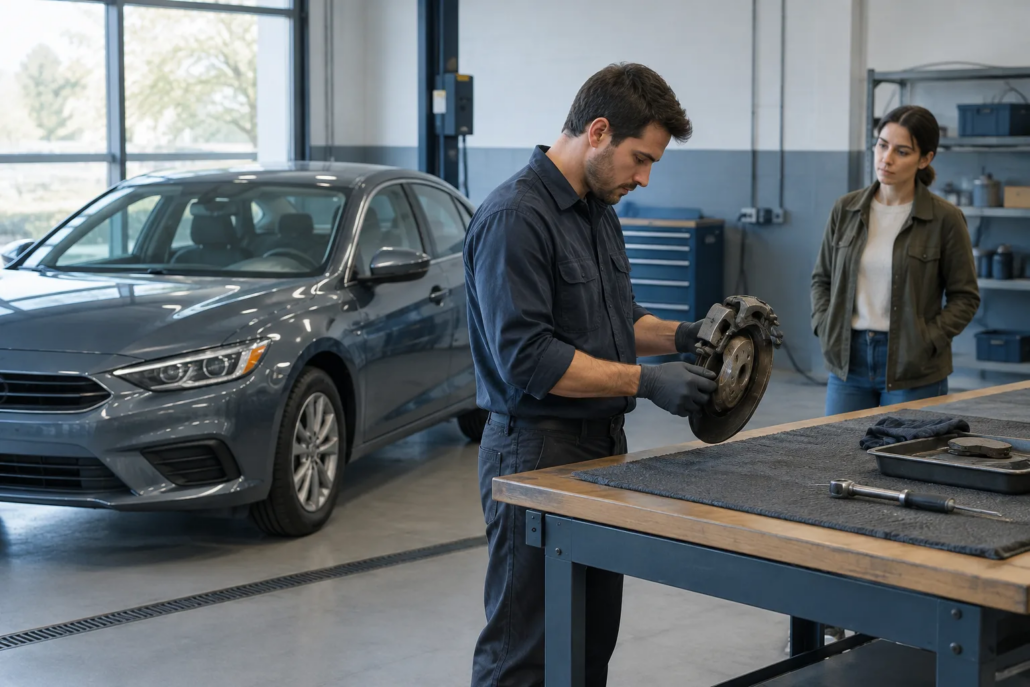
A mechanical problem is not automatically proof that a part was defective or caused a collision. Investigators may need to determine whether the component failed, whether it was designed or made improperly, whether it was installed or maintained correctly, and whether the failure contributed to the injuries. A defective brakes car accident Detroit investigation, for example, may examine brake components and service history alongside speed, road conditions, and driver actions.
Identify the warning signs and preserve a clear account
As soon as it is practical, write down what happened before, during, and after the crash. Include any dashboard warning, unusual sound, vibration, loss of steering or braking response, or airbag behavior. Note when the issue first appeared and whether it had happened before. Keep the account factual; avoid guessing about the mechanical cause.
Photographs of the vehicle and crash scene may help show visible damage and conditions, but they cannot by themselves establish a hidden defect. Record the vehicle’s make, model, year, mileage, and identification details from existing paperwork or photographs. Avoid dismantling a part or attempting a test yourself; an inspection by a qualified professional may be needed to assess its condition.
Consider who may be connected to the component
Depending on the facts, an investigation may consider the manufacturer, supplier, seller, repair facility, or other businesses in the product chain. Their involvement does not automatically establish responsibility. A Michigan vehicle product liability claim can involve technical questions about design, manufacture, warnings, installation, and maintenance. The vehicle’s service and ownership history can help clarify those questions.
Preserve the vehicle, records, and electronic evidence
After a serious Detroit crash, the car may be towed, stored, repaired, declared a total loss, or moved between facilities. Before a vehicle or suspected component is repaired, altered, or disposed of, preserving it may help allow a later inspection. Storage arrangements can involve cost and practical limits, so the appropriate steps depend on the circumstances. An attorney can explain options for documenting and preserving evidence, including communicating with insurers, repair facilities, or other potentially interested parties.
Gather records that may help establish the vehicle’s history, such as:
- Purchase, lease, or ownership documents and receipts for parts or accessories.
- Repair invoices, maintenance logs, inspection records, and warranty paperwork.
- Recall or service communications you received, if any.
- Photographs, crash reports, towing records, and correspondence about the vehicle.
Do not assume that a repair invoice proves a defect, or that the absence of a prior repair rules one out. Records are pieces of a larger investigation. A professional may need to document the condition of the car and relevant components before repair work changes them.
Preserve vehicle data as well as physical parts
Modern vehicles may store information about speed, braking, or other activity, depending on the vehicle and system. Dashboard alerts, connected-device records, and event data may be overwritten, reset, or become unavailable when a car is repaired or its systems are changed. Preserve any photographs or information already available, and avoid resetting or modifying systems if possible. The process for retrieving data can depend on the vehicle and should be handled by qualified people. Our guide to electronic crash data that may document braking and vehicle activity discusses evidence in truck crashes; the same broad idea—that electronic information may supplement physical evidence—can be relevant to vehicle investigations, though the systems differ.
Investigate more than driver conduct and avoid common evidence gaps
A thorough crash review may consider multiple possible contributing factors. Investigators may examine vehicle condition, the roadway, weather, traffic, maintenance, and each driver’s actions. In Detroit, a pothole or other road hazard may be relevant alongside a suspected component problem. Documenting the scene and vehicle condition can help investigators distinguish among possible explanations; see our discussion of evidence of a Michigan roadway defect that may have contributed to a crash.
Common evidence gaps can arise when people:
- Authorize repairs or allow disposal before the vehicle’s condition is documented.
- Throw away a replaced component, packaging, or repair paperwork.
- Rely on memory instead of recording symptoms and warning messages promptly.
- Assume a crash report or a single photograph answers whether a product was defective.
If a vehicle is in an insurer’s or storage facility’s control, ask what is planned for it and keep a record of communications. Do not trespass, remove parts, or interfere with an inspection. Arrangements for access and preservation may require coordination, particularly when more than one party wants to inspect the vehicle.
Medical expenses are a separate issue from deciding whether a product defect contributed to a crash. Depending on eligibility and the circumstances, Michigan no-fault benefits may help with certain crash-related expenses while questions about fault or a potential product claim are investigated. Our guide explains Michigan no-fault benefits that may help with crash-related medical bills. Michigan rules and procedures can change, and the applicable options depend on the facts.
Frequently Asked Questions
Does a malfunctioning part automatically mean the manufacturer is liable?
No. A malfunction alone does not establish that a product was defective or that a particular company is responsible. An investigation may need to assess the part’s condition, the vehicle’s history, how it was used and maintained, and whether the issue contributed to the crash and injuries. Potential responsibility can depend on technical evidence and the facts of the individual case.
What if the part was replaced during an earlier repair?
Keep any available invoice, work order, warranty information, and communication about the repair. If the replaced part is still available, note who has it and where it is stored; do not alter or discard it. Prior service records may help show what work was performed, but they do not by themselves prove the cause of a later crash. An attorney can discuss evidence options for the specific circumstances.
Can an airbag issue be part of a Michigan injury claim?
It may be considered if evidence suggests an airbag failed to deploy, deployed unexpectedly, or otherwise malfunctioned and that issue may have affected the injuries. A careful review would consider the crash circumstances, vehicle systems, damage, and available records. The fact that an airbag did not deploy does not alone establish a defect; deployment behavior can depend on crash conditions and system design.
Can I pursue no-fault benefits while a defect investigation is pending?
Potentially, depending on eligibility and the circumstances. Michigan no-fault benefits and a claim alleging that a defective product contributed to a crash are distinct issues, and pursuing one does not automatically resolve the other. Benefit rules, coverage, and deadlines may depend on the facts and can change. A Michigan-licensed attorney can explain how the issues may apply to a particular situation.
How Neumann Can Help
Neumann is committed to helping injured people understand the questions that can arise when a vehicle component may have contributed to a Detroit crash. A review may include the crash circumstances, available vehicle and repair records, potential electronic evidence, and practical concerns about preserving the car or a part. The firm can explain how a possible product investigation may relate to other insurance issues, without assuming what the evidence will show. If you have questions about a suspected malfunction, contact Neumann to discuss your situation and request a consultation or case evaluation.
The information in this article is for educational purposes only and does not constitute legal advice. Laws vary by location and may have changed since publication; contact a qualified attorney licensed to practice in Michigan for advice specific to your situation.

Leave a Reply
Want to join the discussion?Feel free to contribute!