
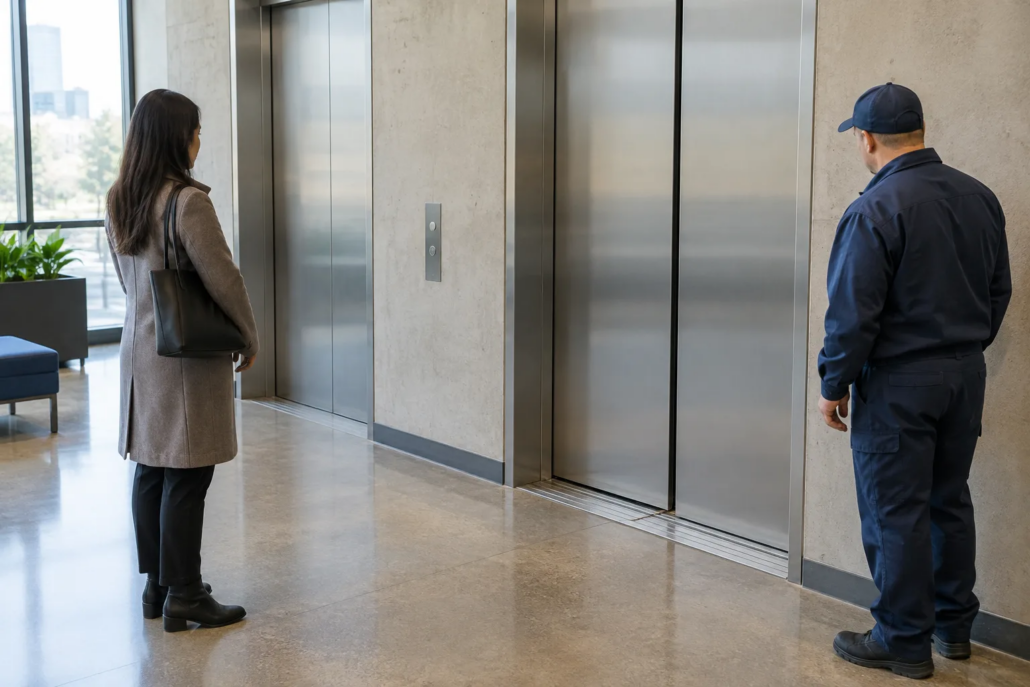
Can a Detroit Elevator Injury Lawyer Assess Maintenance?
An elevator trip, sudden stop, door problem, or uneven landing can leave a visitor or resident unsure what happened and who may have information about it. A Detroit elevator injury may raise questions about maintenance responsibility, but an injury alone does not establish that an owner, manager, or contractor was at fault. How Detroit apartment injury claims trace responsibility explains why property control and upkeep can involve multiple roles.
For someone considering a Detroit elevator accident injury lawyer, the useful starting point is often a careful account of the event—not an assumption about liability. Neumann helps readers understand how evidence can clarify what happened. This article describes how control, inspection and maintenance practices, prior reports, and the cause of a malfunction may matter, along with practical information an injured person can document and why medical records may become relevant.
How Detroit elevator injuries can raise maintenance questions
Elevator incidents can occur in different ways. A car may stop between floors, doors may close unexpectedly, a passenger may encounter an uneven gap at a landing, or the elevator may move or jolt in a way that causes a fall. The details matter because different causes may point investigators toward different records, witnesses, or responsible parties.
An investigation generally considers more than who owns the building. It may examine who had control over the elevator, who arranged inspections or repairs, and whether a maintenance company had a role. Contracts, service records, work orders, inspection information, and communications about a problem may help show what responsibilities were assigned and what work was performed. These records do not, by themselves, prove that anyone acted improperly.
Who controlled and maintained the elevator?
A building owner, property manager, elevator service contractor, or another entity may have had a role in operating or maintaining the equipment. The arrangement can differ from one Detroit property to another. Records may help clarify which party was responsible for routine service, responding to complaints, arranging repairs, and deciding whether an elevator should remain in use.
That is one reason a Detroit elevator injury claim may require careful review of property documents rather than relying only on assumptions about ownership. For more context on how responsibility can be divided at a property, see how Detroit apartment injury claims trace responsibility.
What evidence may clarify a Detroit elevator injury claim?
Evidence can help establish what happened, when it happened, and what conditions were visible. It may also help identify whether the elevator had a known issue before the incident. A person’s observations are useful, but technical questions about equipment, inspection, and maintenance may require records or qualified review.
If it is safe and practical, a visitor or resident may consider making a factual record of:
- The building address, elevator location, floor, and approximate time of the incident.
- What the elevator did, described as specifically as possible, and whether the issue continued afterward.
- Visible conditions, such as an uneven landing, damaged door, unusual movement, or an out-of-service notice. Avoid altering equipment or entering a hazardous area to take photographs.
- Names or contact details of witnesses who are willing to share them, and whether anyone reported the problem to building staff.
- Any incident report made, including when and to whom the report was given.
A Detroit premises-liability evidence checklist offers related guidance about preserving observations after an incident on property. In some cases, investigators may also ask whether surveillance footage, elevator service logs, inspection records, repair requests, or communications exist. Those materials may not be available indefinitely, and access can depend on who holds them and the circumstances.
What do prior reports and the cause of the malfunction show?
A prior complaint may be relevant if it concerns a similar problem, but its significance depends on details such as timing, the reported condition, and what response followed. Likewise, the fact that an elevator malfunctioned does not automatically explain why it happened. A mechanical issue, a temporary condition, maintenance work, or another cause may need to be considered. In Michigan, the legal analysis depends on the facts and applicable law; laws and procedures can vary by location and may change.
What to consider after an elevator incident
After an injury, people may be focused on immediate needs and may not know what information could matter later. A steady, factual record can be useful without requiring anyone to decide who was responsible. Details can become harder to recall, and building records or video may be held by someone other than the injured person.
Depending on the circumstances, potentially useful steps to consider include:
- Report what happened. If appropriate, tell the property manager, building staff, or another responsible contact. Note when the report was made and whether a written incident report was completed. A report records notice of the incident; it does not necessarily establish fault.
- Keep relevant records. Preserve photographs taken safely, witness contact information, copies of communications, and any incident paperwork. Avoid editing images in a way that changes what they show.
- Attend to health concerns. Consider seeking appropriate medical care and keeping visit summaries, bills, and other records. This article does not diagnose injuries or recommend treatment; a healthcare professional can address medical questions.
- Get advice based on the facts. A lawyer may review available information, explain possible legal issues, and identify what additional records may be relevant. A Detroit attorney familiar with premises-injury claims can also discuss how Michigan law applies to the particular circumstances.
Medical expenses may lead to questions about insurance reimbursement or provider claims if an injury case later resolves. For general background, see Michigan personal-injury medical liens and settlement reimbursement. Keeping records can make it easier to understand those issues later, though the effect depends on the individual claim and coverage involved.
Frequently Asked Questions
Can a building owner be responsible for every elevator injury?
Not automatically. Ownership alone does not determine responsibility. The facts may include who controlled the elevator, what duties were assigned to a manager or service contractor, whether a dangerous condition existed, and whether the relevant party knew or reasonably should have known about it. A legal assessment also considers causation and applicable Michigan law. Different properties use different maintenance arrangements, so records and incident details matter.
What if I do not know what caused the elevator to malfunction?
It is common for an injured person not to know the mechanical cause at the scene. A clear description of what the elevator did, where it happened, and what was visible can still be useful. Maintenance records, inspection information, repair history, and witness accounts may help clarify the cause. Avoid guessing or presenting an assumption as a fact; an investigation may identify information that was not apparent at the time.
Could a witness or camera recording help with an elevator injury claim?
Potentially. A witness may recall the elevator’s movement, door operation, or condition immediately before or after the incident. A building camera may capture part of the event or surrounding activity, though it may not show the mechanical cause. Whether footage exists, can be obtained, or is useful depends on the property and circumstances. A lawyer can discuss how evidence may be requested and evaluated.
How long do I have to explore a Michigan elevator injury claim?
Deadlines can depend on the parties, claim type, and facts, and special rules may apply in some situations. Waiting can also make it harder to locate witnesses or preserve records, even apart from formal filing deadlines. Because timing questions are specific to the circumstances, a licensed attorney can explain the deadlines and procedures that may apply in Michigan. This general article cannot determine a particular reader’s filing period.
How Neumann Can Help
Neumann is dedicated to helping injured people understand the questions that may arise after an incident at a Detroit property. A review may consider the elevator’s location and reported condition, the roles of the owner or manager and any service contractor, available inspection and maintenance records, prior reports, witness accounts, and the information connecting the malfunction to an injury. The firm is committed to fighting for clients’ rights while evaluating each matter on its own facts; no particular result can be promised. Contact Neumann to discuss your circumstances and request a free consultation or case evaluation.
The information in this article is for educational purposes only and does not constitute legal advice. Contact a qualified attorney authorized to practice in the jurisdiction that applies to your matter for advice specific to your situation.


Leave a Reply
Want to join the discussion?Feel free to contribute!