Can Grand Rapids Product Defects Lead to Death Claims?
A fatal incident involving a vehicle, appliance, tool, medical device, or other product can leave a family with difficult questions. Could a product defect have contributed? A Michigan wrongful death product liability investigation may examine that possibility, but the fact that a product was involved does not by itself establish a defect or legal responsibility. For families in Grand Rapids, preserving the item and recording what is known about its history can help keep important facts available for qualified review.
Neumann helps families understand how a possible product-related cause fits into the broader wrongful-death process. This guide explains what may be investigated, how to preserve the product and its records without altering it, and why purchase, maintenance, and incident details can matter. It also describes how product investigation and estate administration are related but separate matters.
How Michigan wrongful death product liability may apply
A wrongful-death claim may involve a product when evidence suggests that a problem with its design, manufacture, or warnings contributed to the fatal incident. The issue is not simply whether the product failed. An investigation may consider its condition, how it was intended to work, instructions and warnings, how it was used, and whether a different product condition could have changed what happened.
A product-related investigation is only one possible explanation for a death. A crash, fire, equipment failure, or other event may have several contributing factors. The evidence must be assessed in context; families do not need to decide on their own whether a legal defect existed. For an overview of the separate legal framework, see the basic framework for Michigan wrongful-death claims.
In Grand Rapids, identifying a possible product issue may involve examining the item itself alongside incident records and information from people who saw or used it. Depending on the facts, an investigation may consider the manufacturer, seller, distributor, repair provider, or other parties in the product’s history. Each role requires its own factual and legal review.
Preserve the product and document its history
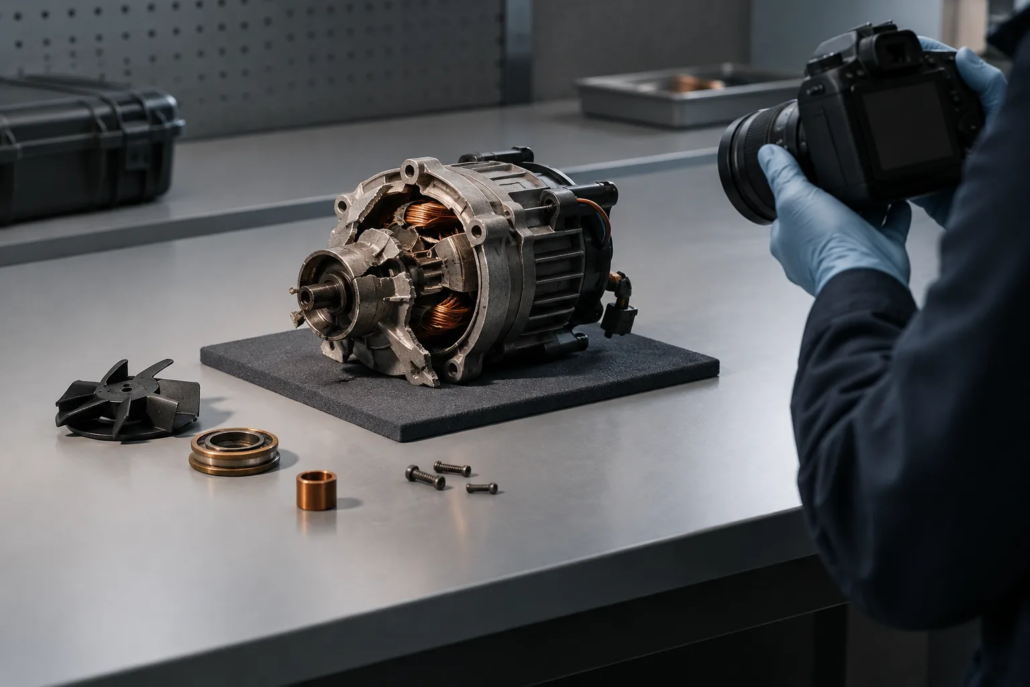
When it is safe and practical to do so, families can help protect evidence by keeping the product in the condition in which it was found. Avoid repairing, disassembling, cleaning, testing, or discarding it. Changes may affect what a qualified inspection can determine. If the product is dangerous to approach or store, safety comes first; any decisions about access or handling can be discussed with appropriate professionals.
Keep related items together where possible, including components, packaging, manuals, warnings, accessories, and parts that may have detached. Take photographs of the product and the surrounding scene without moving or altering anything to get a better view. Record who has possession of the item and any steps taken to secure it. More detail on preserving a defective product and its related evidence may help families understand why condition and handling can matter.
Purchase and service history can be just as useful as the physical item. Save receipts, online order confirmations, product listings, delivery information, warranty materials, repair invoices, and maintenance logs. Note the product’s model or serial information only if it can be recorded without disturbing the item. These records may help establish where the product came from and who handled or serviced it. They can help identify which companies may be involved in a Michigan product liability claim.
Record incident details and coordinate the process
Memories can become harder to sort out over time, so a factual record may be useful. Write down what family members know, distinguishing what they personally observed from what they later heard. Relevant details may include:
- What the product was doing immediately before the incident and how it was set up.
- Who used it, what instructions or warnings were available, and whether its condition had changed.
- When and where it was purchased, repaired, inspected, or maintained.
- Names of witnesses and the existence of photographs, video, incident reports, or communications.
Do not guess at a technical cause or add conclusions to the record. Save original photographs, messages, receipts, and reports when available, and note where each came from. How the product was being used may be relevant, but an allegation of misuse does not automatically resolve the claim. The investigation may need to consider Michigan’s rule on reasonably foreseeable product misuse alongside other facts.
The wrongful-death action and administration of a deceased person’s estate are related but distinct processes. In Michigan, a wrongful-death action is generally brought by the estate’s personal representative, while probate matters involve estate administration. Families may want to keep probate records families may need after a death organized alongside product and incident evidence. Depending on venue and the issues involved, civil and probate matters may be handled through different courts; Kent County court procedures and the appropriate venue depend on the circumstances. A lawyer can explain how those processes may intersect without treating one as a substitute for the other.
Frequently Asked Questions
Does a product have to break for it to be considered defective?
No. A product may be investigated for a possible design, manufacturing, or warning problem even if it did not visibly break. For example, an investigation may consider whether it functioned as intended, whether a safety feature was adequate, or whether instructions communicated an important risk. The product’s condition and circumstances matter, and a failure alone does not establish legal liability. A qualified review may be needed to assess what the evidence supports.
What if the product was repaired or serviced before the incident?
Repair and maintenance records may help explain the product’s condition and history, but the existence of a repair does not by itself prove or disprove a defect. Preserve invoices, work orders, messages, and any records identifying parts or work performed. If the item has already been repaired, keep the removed parts if available and make a factual note of what changed and when. An attorney can assess how those details fit the investigation.
Can a fatal incident involve more than one potentially responsible party?
It can be appropriate to investigate more than one participant in a product’s path, such as a manufacturer, seller, distributor, or service provider. Whether any party has legal responsibility depends on the product, the evidence, and applicable law. Purchase, delivery, and maintenance records can help clarify who was involved. Listing a business in the history is not the same as establishing its liability.
Does opening an estate automatically start a wrongful-death case?
No. Estate administration and a wrongful-death action are distinct processes, even though they may involve the same personal representative and related records. Opening an estate does not, by itself, resolve whether a product-related claim exists or satisfy every procedural requirement. The appropriate steps depend on the family’s circumstances and Michigan law. An attorney familiar with the relevant jurisdiction can explain how the processes may relate.
How Neumann Can Help
Neumann is dedicated to helping families understand the questions that may arise after a fatal incident involving a product. The firm can review available information about the product, its purchase and maintenance history, and the circumstances of the incident, while discussing how evidence may be preserved for further evaluation. Every matter depends on its own facts, and an initial review cannot promise a particular result. Families in Grand Rapids can contact Neumann to discuss their concerns and request a free consultation or case evaluation.
The information in this article is for educational purposes only and does not constitute legal advice. Contact a qualified attorney authorized to practice in the jurisdiction that applies to your matter for advice specific to your situation.

Leave a Reply
Want to join the discussion?Feel free to contribute!