What Symptoms Do Detroit Riders Track After a Truck Crash?
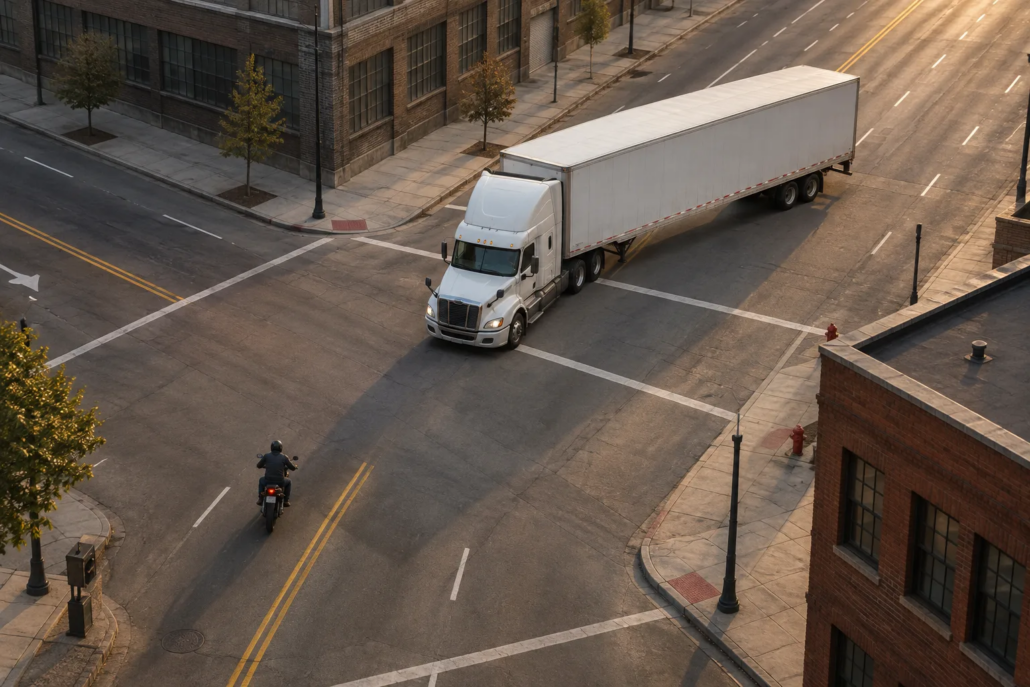
A commercial truck turning across a motorcycle’s path can leave a rider facing urgent questions: Was the truck visible? How quickly did it turn? What should be recorded while the scene is still fresh? A Detroit motorcycle accident with a truck may involve several moving parts, including a tractor, trailer, traffic signals, and surrounding vehicles. Those details can matter when people try to understand how a collision happened.
For a rider, immediate health needs come first. After that, careful notes and evidence may help clarify the sequence of events. Neumann helps injured people understand the issues that can arise in personal injury matters. This article explains how truck turns can create risk, what investigators may examine, and how a rider can seek care and keep useful records without putting safety second.
How a truck’s turn can shape a Detroit motorcycle crash claim
A truck’s turn is not always a single, simple movement. A large vehicle may need more room to turn than a passenger car, and a trailer can follow a different path from the cab. A rider approaching an intersection may have limited time to recognize that movement, especially if another vehicle, roadside activity, or the truck itself affects the sightline. These factors do not decide fault on their own, but they can help explain how the vehicles came together.
Position, visibility, and timing
Investigators may look at where the motorcycle and truck were before impact, the direction each was traveling, and whether the truck began turning across the rider’s path. They may also consider whether the truck’s mirrors or blind areas affected what its driver could see, how the turn was signaled, and the timing of traffic signals. A rider’s speed, braking, and available space may also be relevant. The physical evidence and accounts from witnesses can help put these details in context.
At a busy Detroit intersection, a brief difference in timing can change the available space for a rider to react. Still, a collision scene rarely tells the whole story by itself. Evidence that can clarify right-of-way at an intersection may include signal information, roadway layout, witness accounts, and vehicle damage. Evaluating these sources together is more informative than relying only on either driver’s recollection.
What should a rider do after a truck-motorcycle collision?
If a collision occurs, getting to a safe place and addressing urgent medical needs should take priority over gathering evidence. A rider should not put themselves in traffic or near moving vehicles to take photographs. When it is safe and appropriate, useful scene details may include the vehicles’ positions, visible damage, road markings, traffic controls, weather, and nearby cameras. Witness names and contact information can also be helpful, if they are available without delaying care.
Prompt evaluation can matter even when an injury is not obvious at the scene. A medical professional can assess symptoms and document findings. Riders can review why prompt medical treatment matters after a crash and keep a record of appointments, instructions, treatment, and changes in how they feel. Following medical advice and keeping this information organized can help create a clearer timeline.
When safe, photographs and notes may preserve details that change as vehicles are moved and the scene clears. These are examples of truck crash evidence riders may be able to preserve. The rider’s well-being comes first; another person may be able to document the scene when the rider cannot.
A simple record can include:
- The date, time, and general location of the collision.
- What the rider remembers about the truck’s approach and turn.
- Names or contact details for witnesses, if obtained safely.
- Symptoms, medical appointments, treatment, and any changes over time.
- Insurance communications, claim references, and related documents.
If there are concerns about a possible head injury, medical advice is especially important. The rider or a family member may note changes in memory, concentration, sleep, mood, or everyday activities. This can help keep an accurate account of what is happening; it is not a substitute for professional assessment. More information is available on how ongoing head-injury symptoms can be documented.
How may a truck-turn claim be investigated in Detroit?
A claim review may combine physical evidence with records and accounts from different sources. Depending on the circumstances, investigators may examine vehicle damage, photographs, roadway conditions, witness statements, and available traffic or camera footage. A truck’s electronic systems and business records may also provide information relevant to movement and timing. For example, electronic truck data that may help explain a crash could supplement scene evidence, if relevant information exists and can be obtained.
The evidence does not automatically establish who is legally responsible. In Michigan, questions about fault and available benefits depend on the facts and applicable law. Where a claim is handled, the process may involve insurers and, in some cases, legal proceedings. Detroit Police Department records may be one source of information following a reported collision, but a report is not necessarily a complete reconstruction or final decision about liability.
Insurance questions can also be more involved than contacting the truck driver’s insurer alone. A rider may need to identify relevant coverage and understand what policies could apply to the particular crash. Preserving insurance information a Michigan motorcycle rider may need and keeping copies of claim correspondence can make it easier to understand what has been requested or decided.
Common record-keeping problems include relying on memory alone, discarding damaged gear before documenting it, or overlooking symptoms that develop later. A rider can keep copies of relevant records and make dated notes without speculating about fault. In Detroit and elsewhere in Michigan, the details of a truck-turn collision and the laws that apply should be assessed in context; rules may vary by location and may change.
Frequently Asked Questions
What if I did not notice the truck turning until the last moment?
A rider’s account of when the truck became visible can be relevant, but it is only one part of a broader review. Investigators may consider roadway layout, sightlines, vehicle positions, signal timing, physical evidence, and witness observations. A person’s memory can be affected by the stress of a collision, so records and other evidence may help provide context. The legal significance depends on the facts and applicable Michigan law.
Should I photograph the truck after a Detroit motorcycle crash?
Photographs may help preserve vehicle positions and visible damage, but personal safety and medical needs come first. Do not approach moving traffic or an unsafe vehicle to take pictures. If the scene is safe, a rider or another person may document the surroundings and damage from a safe position. Where a rider cannot do so, other sources—such as witnesses or available official records—may still provide useful information.
What should I record if symptoms change after the collision?
A dated, factual log can note symptoms, when they began or changed, medical appointments, treatment, and how daily activities are affected. Keep relevant instructions and records together, and discuss health concerns with a medical professional. For possible head-injury symptoms, note changes in memory, concentration, sleep, or mood without trying to diagnose their cause. Consistent notes can help explain a timeline to a treating professional or attorney.
Could the truck’s company records matter to a claim?
They could, depending on the circumstances and what information exists. Commercial vehicle records or electronic data may help investigators assess movement, timing, or other aspects of a collision, but they do not necessarily answer every question. Access and preservation issues can be fact-specific. An attorney can evaluate whether particular records may be relevant and what steps may be appropriate under the circumstances.
How Neumann Can Help
A truck turning across a motorcycle’s path can raise questions about vehicle movement, visibility, evidence, insurance, and the rider’s injuries. Neumann is dedicated to helping injured people understand those issues and is committed to fighting for their rights while evaluating the facts of each situation. The firm can review available records, discuss questions about a potential claim, and explain possible next steps without promising a particular result. If you were injured in a Detroit truck-motorcycle collision, contact Neumann to request a free consultation or case evaluation.
The information in this article is for educational purposes only and does not constitute legal advice. Contact a qualified attorney authorized to practice in the jurisdiction that applies to your matter for advice specific to your situation.

Leave a Reply
Want to join the discussion?Feel free to contribute!