Commercial Truck Versus Car Claims in Michigan
A crash involving an 80,000-pound tractor-trailer on I-94, I-75, US-131, or a local Michigan road is not simply a larger car accident. The physical force can leave a driver or passenger facing fractures, spinal trauma, traumatic brain injuries, lengthy hospitalization, and an uncertain return to work. Commercial truck versus car claims also move differently from ordinary collision claims because more parties, insurance policies, records, and preservation issues may be involved from the first day.
For an injured person or family, the immediate priority is medical care. Yet the days after a truck crash can also shape whether critical evidence is still available and whether every potential source of insurance coverage is identified. Michigan’s no-fault rules remain a major part of the picture, but they do not eliminate the need to investigate fault, damages, and the trucking company’s role.
Why commercial truck versus car claims are different
A passenger vehicle crash may involve two drivers and two insurers. A commercial truck collision can involve the truck driver, the motor carrier, a trailer owner, a freight broker, a maintenance provider, a cargo loader, a manufacturer, or another vehicle that contributed to the wreck. Which parties are legally responsible depends on the facts, contracts, vehicle ownership, maintenance history, and applicable law.
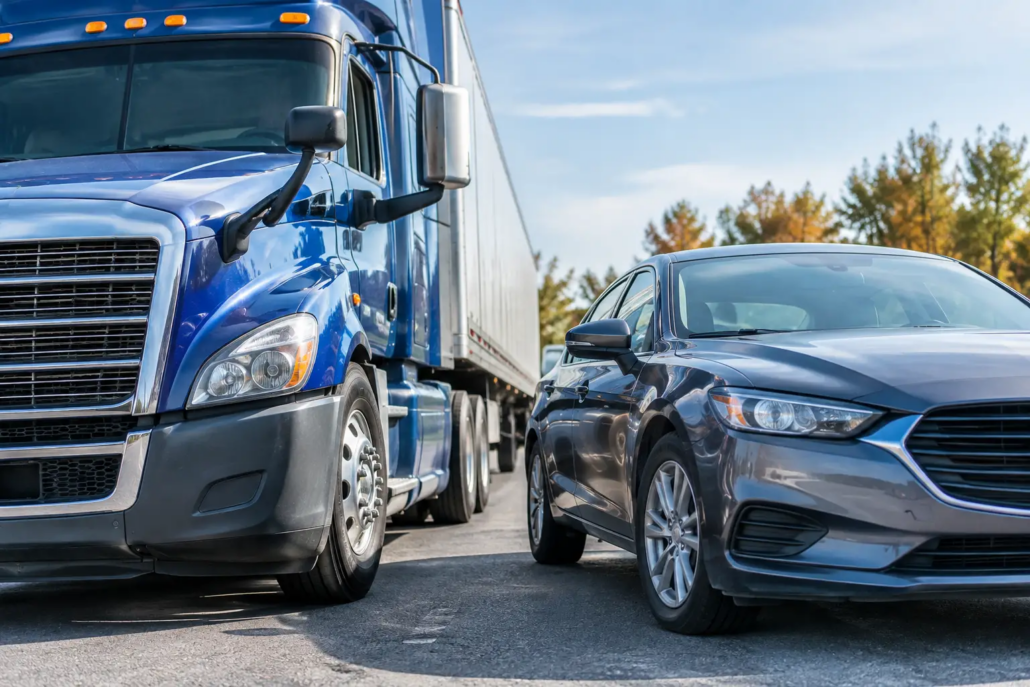
The size difference matters as well. Trucks need more distance to stop, have larger blind spots, and can become dangerous when a driver is fatigued, distracted, speeding, improperly trained, or operating with an overloaded or poorly secured trailer. A rear-end impact that might cause vehicle damage in a passenger-car collision can become catastrophic when the striking vehicle is a loaded semi-truck.
Commercial carriers are also often subject to safety rules that do not apply to the ordinary driver. Driver qualification files, inspection reports, maintenance records, dispatch communications, electronic logging data, dash-camera footage, and onboard event data may help show what occurred before impact. Those records are not automatically handed to an injured person. Some may be overwritten or lost in the ordinary course of business if they are not promptly preserved.
Evidence can disappear before the injuries do
After a Michigan truck crash, the scene is cleared, damaged vehicles may be moved, and the carrier may begin its own investigation. The trucking company and its insurer may have professionals working immediately to protect their interests. Injured people deserve the same urgency in protecting their own claim.
Photographs of vehicle damage, roadway debris, skid marks, weather conditions, and nearby business cameras can be meaningful. So can the police report, witness names, 911 recordings, and data from the truck. A lawyer can send a preservation request to place relevant parties on notice not to destroy or alter evidence, but timing matters.
Medical documentation matters just as much. Follow-up care records help connect the collision to the pain, limitations, diagnosis, and treatment a person experiences afterward. It is common for symptoms such as headaches, neck pain, concussion effects, numbness, or emotional trauma to become clearer in the days and weeks after a violent collision. Do not assume a quick emergency-room discharge means the injury is minor.
Information to protect after a truck collision
If you are physically able, or if a family member can help, preserve the basics while treatment remains the priority:
- The truck driver’s name, employer, license information, and insurance details.
- Photos or video of the truck, trailer, company markings, plates, vehicle damage, and crash location.
- Names and contact information for witnesses and responding officers.
- All medical records, discharge instructions, bills, prescription information, and work-loss documentation.
- Letters, claim numbers, and messages from every insurance company that contacts you.
Avoid posting detailed statements, photos, or opinions about the crash on social media. An insurer may use incomplete posts or casual comments to challenge the seriousness of an injury or argue that someone else was at fault.
Michigan no-fault benefits may apply regardless of fault
Michigan’s no-fault system can provide Personal Injury Protection, or PIP, benefits for people injured in motor vehicle accidents, subject to the policy language, coverage choices, priority rules, and statutory requirements. Depending on the circumstances, available PIP benefits can include allowable medical expenses, wage loss, replacement services, and survivor’s loss benefits.
The right insurer is not always obvious after a commercial vehicle crash. Coverage may turn on whether the injured person had their own auto policy, lived with a relative who had coverage, occupied a particular vehicle, or meets an exception to the usual priority rules. A truck’s commercial insurance policy does not necessarily answer the PIP question.
Prompt notice is wise. Waiting too long to report a claim or provide requested information can create avoidable disputes. At the same time, an injured person should be careful about broad authorizations, recorded statements, and settlement documents. It is reasonable to ask questions before signing paperwork that could affect medical coverage or a future claim.
Fault still matters in serious truck injury cases
No-fault benefits do not resolve every loss caused by a commercial truck collision. Michigan law may allow an injured person to pursue a claim against an at-fault driver or other responsible party for certain damages when the legal threshold is met. Claims may involve pain and suffering, excess medical expenses, and other losses, depending on the facts and available coverage.
A truck driver may be at fault for following too closely, unsafe lane changes, failing to yield, distracted driving, impaired driving, speeding for conditions, or ignoring hours-of-service limits. The motor carrier may face scrutiny for hiring, supervision, training, maintenance, dispatch decisions, or safety practices. But liability is never automatic simply because a truck was involved. The defense may contend that a passenger vehicle cut off the truck, stopped suddenly, entered a blind spot, or contributed to the collision in another way.
That is why an early investigation should be grounded in evidence rather than assumptions. The police report is useful, but it may not tell the entire story. Video, electronic data, witness testimony, and vehicle inspections can either support or complicate a claim.
Insurance coverage is often layered and contested
Commercial trucks frequently carry larger liability policies than personal vehicles, particularly when operating across state lines or carrying certain cargo. Larger limits can be necessary because the harm is often severe. They can also mean more intensive scrutiny from insurers seeking to limit what they pay.
There may be multiple policies, including coverage for the tractor, trailer, carrier, shipper, broker, or other involved vehicles. A crash involving an uninsured or underinsured driver can also raise questions about uninsured or underinsured motorist coverage under the injured person’s own policy. Coverage discovery is not a technical detail. It can determine whether the funds exist to address long-term care, lost earning capacity, and the lasting consequences of a life-altering injury.
An insurer’s early offer may arrive before the full medical picture is known. Accepting money quickly can feel necessary when bills are mounting, but a release may close the door on additional recovery. The right approach depends on the injury, treatment outlook, available coverage, disputed facts, and terms of the proposed agreement.
What to do when the insurer delays or denies benefits
A denial of PIP benefits, a refusal to pay a medical bill, or repeated requests for the same paperwork should not be ignored. Sometimes a dispute stems from a missing record or policy-priority question. Other times, the insurer may challenge whether treatment is related to the crash, medically necessary, or covered under the policy.
Keep a written file of calls, letters, bills, appointments, and missed work. Ask for the reason for a denial in writing. If a provider threatens collections or treatment is interrupted, seek legal review quickly. Deadlines can apply to insurance claims and lawsuits, and waiting can make both evidence collection and coverage disputes harder to resolve.
Early legal review can protect the claim
A commercial truck crash can change a family’s life in seconds, while the legal and insurance consequences can unfold for months or years. Early legal review can help identify the correct insurers, preserve truck records, evaluate PIP benefits, and prevent a rushed statement or settlement from limiting available options.
Neumann Law Group offers free consultations and is available 24/7 for Michigan crash victims and families. You do not need to have every answer before asking for help. If a truck collision has left you in pain, out of work, or facing insurance pressure, protect your treatment, preserve what you can, and get clear advice before the evidence and your options begin to narrow.


Leave a Reply
Want to join the discussion?Feel free to contribute!