
When Does Black Ice Make a Michigan Driver Liable?
A driver can lose traction on black ice before realizing the pavement is slippery. After a winter collision, that sudden loss of control may leave everyone asking the same question: Does black ice make a Michigan driver responsible for a crash? The answer usually depends on more than the weather. Michigan black ice accident liability may turn on what the driver could observe, how fast the vehicle was traveling, whether the driver adjusted to conditions, and what happened immediately before impact.
The distinction matters in Grand Rapids, Traverse City, and throughout Michigan. Ice may be difficult to see, but winter conditions can still create a need for greater caution. As an overview of why Michigan winter roads can be so dangerous explains, a hazardous road does not automatically establish negligence—and it does not automatically excuse unsafe driving. Neumann offers this guide to the facts that may help clarify responsibility, from weather documentation to witness accounts and the sequence of impacts.
How Michigan Black Ice Accident Liability Depends on Driving Conduct
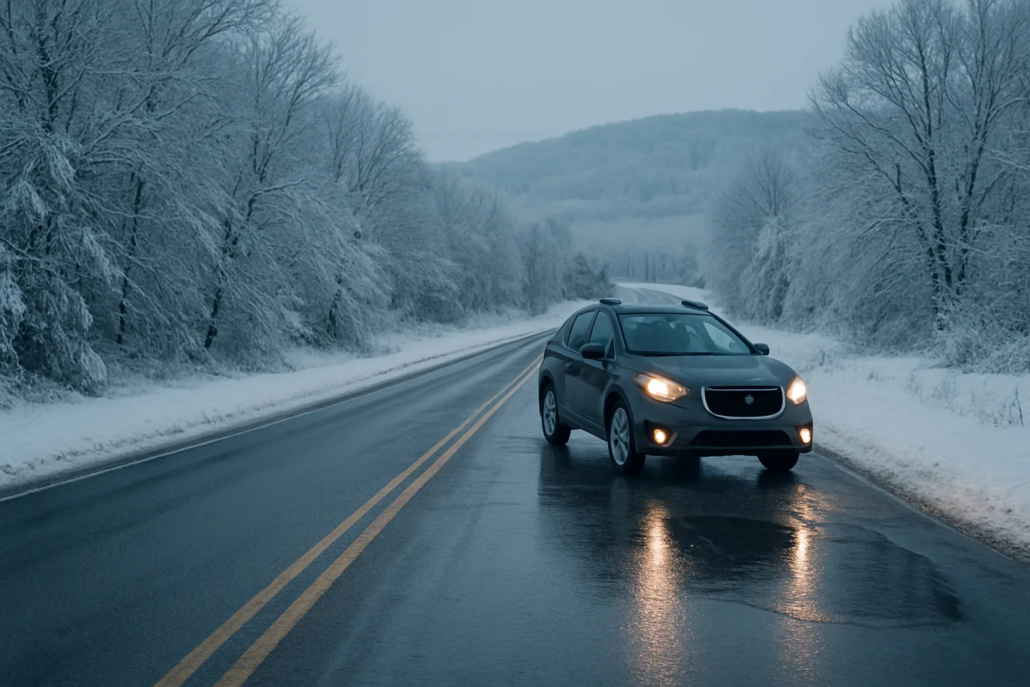
Black ice is a thin, relatively transparent layer of ice that can blend into the roadway. It may form when moisture freezes, especially near bridges, shaded areas, ramps, and intersections. Snow, slush, blowing snow, and refreezing water can create similar traction problems. These conditions can affect braking, steering, stopping distance, and vehicle control. For additional context, how winter weather causes more Michigan car accidents describes the range of winter hazards drivers may encounter.
A hazard is not the same as negligence
The existence of ice alone does not necessarily prove that a driver acted unreasonably. A driver may encounter an unexpected patch despite using care. On the other hand, evidence may support a different conclusion if the driver was traveling too fast for the conditions, followed too closely, failed to clear visibility obstructions, made an unsafe maneuver, or continued driving when conditions were plainly dangerous.
Michigan law generally evaluates fault through the facts of the particular collision. Depending on the circumstances, responsibility may be assigned to one driver, shared among multiple drivers, or affected by evidence involving roadway maintenance. Laws and legal standards can change, so a Michigan attorney may need to review the current rules and the available evidence.
How Visibility and Warnings Affect Fault in a Winter Crash
A driver’s opportunity to recognize a hazard can be important. Black ice may be nearly invisible, but other conditions may provide warning that extra care is needed. Weather alerts, visible snow or slush, recent freezing temperatures, reduced traffic speed, warning signs, and nearby vehicles losing control may all become relevant to the analysis.
Blowing snow and whiteout conditions create a separate visibility question. Evidence about headlights, lane position, following distance, speed reduction, and whether a driver continued despite poor visibility may help distinguish an unavoidable event from preventable conduct. See how whiteout crashes can affect liability in Michigan for related information.
Useful evidence may include:
- Time-stamped photographs or video of snow, ice, slush, standing water, and visibility conditions.
- Weather-service information, roadway alerts, and records showing temperature or precipitation near the crash.
- Statements from passengers, bystanders, other motorists, and first responders.
- Dashcam footage, nearby surveillance, vehicle event data, and photographs of vehicle positions.
- Details about headlights, windshield visibility, tire condition, lane position, braking, and following distance.
In Grand Rapids, conditions on a busy freeway may change quickly as traffic compresses around a disabled vehicle or earlier collision. In Traverse City, lake-effect snow, shaded roads, and changing temperatures may create different documentation questions. These local differences do not decide fault by themselves, but they may help explain what a reasonable driver could have seen and done.
What to Document After a Michigan Icy-Road Collision
The first priority after any crash is safety and appropriate medical attention. Once it is reasonably safe, preserving information may help clarify events before snow melts, traffic moves vehicles, or road crews treat the surface.
Record the sequence, not just the final impact
A multi-vehicle collision may involve several separate impacts. Investigators may examine which vehicle lost control first, whether another driver had time to react, how far vehicles were traveling, and whether later impacts caused additional damage. A discussion of a major winter chain-reaction crash in Grand Rapids illustrates why a pileup should not automatically be treated as one undifferentiated event.
Depending on the circumstances, consider preserving:
- Photographs or video of the road surface, tire tracks, vehicle damage, debris, lane markings, lighting, and nearby warnings—without placing yourself in danger.
- Names and contact information for witnesses, along with a neutral description of what each person observed.
- The police report, insurance information, medical records, repair estimates, and any available dashcam or surveillance footage.
- Notes about the time, direction of travel, weather, visibility, speed, braking, and what occurred before and after impact.
- The vehicle and potentially relevant parts, such as tires, until an appropriate inspection can occur.
Avoid guessing about fault at the scene or posting conclusions on social media. A person’s memory may change after a stressful event, and a photograph taken hours later may not show the roadway as it appeared at impact. Evidence about speed, traction, and pavement may be particularly important, as discussed in the legal questions raised by a slushy I-75 crash in Michigan.
Responsibility can also involve more than the driver who struck another vehicle. Who may be liable for a Grand Rapids, Michigan crash may include a driver whose speed or spacing contributed to a chain reaction, depending on the facts and applicable Michigan law.
Frequently Asked Questions
Is a driver automatically at fault if black ice causes a crash?
No. Black ice may be unexpected and difficult to see, so its presence does not automatically establish fault. The analysis may consider speed, following distance, visibility, road warnings, vehicle condition, and whether the driver adjusted to observable winter conditions. Multiple drivers may share responsibility. A fact-specific review is usually needed before reaching a legal conclusion under Michigan law.
Can a crash claim involve a road agency after an icy collision?
Possibly, but claims involving public roads can raise separate legal requirements, defenses, and notice issues. The condition of the roadway, the agency’s responsibilities, timing of the hazard, and available records may all matter. Governmental liability rules are jurisdiction-specific and can be complex. Anyone evaluating this possibility may benefit from prompt advice from a Michigan-licensed attorney because deadlines and procedures may apply.
What if another driver says the ice made the crash unavoidable?
That statement is not necessarily conclusive. Investigators may compare it with photographs, weather information, vehicle data, witness accounts, damage patterns, and the driver’s actions before impact. The question may be whether the driver responded reasonably to conditions that were visible or reasonably foreseeable. A careful reconstruction can be more useful than relying on a single description of the event.
Does Michigan no-fault insurance decide who caused the crash?
Michigan no-fault insurance can address certain benefits and insurance issues, but it does not necessarily answer every question about fault for a collision or other losses. Coverage, eligibility, injuries, property damage, and potential claims may involve different rules. Because Michigan insurance laws and policies can change, the effect of no-fault coverage depends on the person’s circumstances and available documentation.
How Neumann Can Help
Neumann is dedicated to helping people understand the factual and legal issues that may follow a winter motor vehicle collision. The firm can evaluate available evidence such as photographs, weather conditions, witness information, vehicle damage, police reports, and the sequence of impacts. In a Grand Rapids winter accident claim, a Traverse City collision, or another Michigan crash, the investigation may need to account for changing roadway conditions and more than one potentially contributing factor.
The team is committed to fighting for clients’ rights while explaining legal options in clear terms. Contact Neumann for a free consultation or case evaluation to discuss what happened and what information may be important.
The information in this article is for educational purposes only and does not constitute legal advice. Contact a qualified attorney licensed in Michigan; Grand Rapids; Traverse City for advice specific to your situation.


Leave a Reply
Want to join the discussion?Feel free to contribute!