
Which Records Show Prior Conditions in Michigan Claims?
A new accident can be confusing when the injured person already has back pain, arthritis, an old fracture, or another medical condition. The key question is often not whether the person was perfectly healthy before the incident, but whether the new event caused a new injury or made an existing condition worse. For readers searching for information about a Michigan personal injury preexisting condition, that distinction can be important.
A prior diagnosis does not automatically eliminate a claim. However, it may make the medical history, baseline abilities, and timing of symptoms especially important. Neumann helps injured people understand how these issues may affect the evaluation of a claim. This article explains what to tell medical providers and attorneys, how medical causation is assessed, why treatment gaps matter, and how prior conditions may relate to damages in Grand Rapids and Detroit.
For broader procedural context, review this guide to the Michigan personal injury claim process after an accident.
How a Michigan Personal Injury Claim Handles a Preexisting Condition
A preexisting condition is a health problem, injury, or limitation that existed before the accident or other event at issue. Examples may include a prior surgery, recurring neck pain, degenerative changes, or an earlier work-related injury. The existence of that condition is only one part of the analysis.
Baseline condition versus a new change
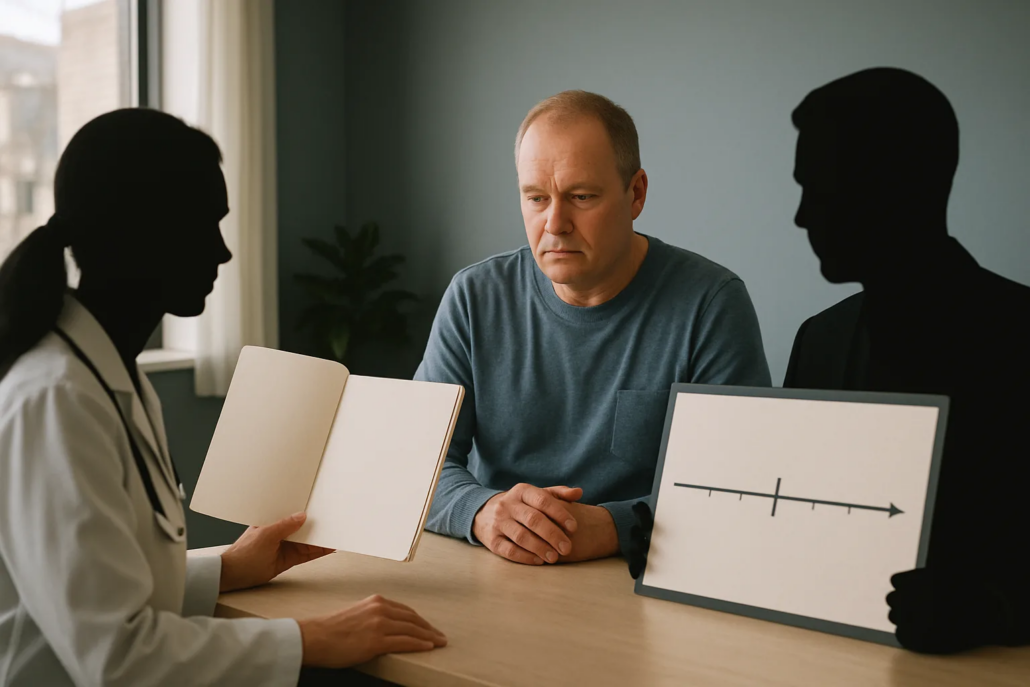
Medical providers and lawyers may need to compare the person’s baseline before the incident with what happened afterward. Relevant questions can include:
- What symptoms existed before the event?
- What activities could the person perform previously?
- Did pain, weakness, mobility limits, or other symptoms change afterward?
- Was new treatment needed, or did existing treatment become more intensive?
A claim may involve a new injury, an aggravation of an older condition, or both. In other situations, the evidence may show that the claimed problem was substantially unchanged. These are fact-specific questions that generally depend on medical records, examinations, credible history, and other evidence.
Michigan courts may consider causation and damages separately from the fact that a person had a prior diagnosis. A Grand Rapids injury claim involving a prior injury may therefore require a careful explanation of the person’s condition before and after the event. Similar issues can arise in Wayne County and other Michigan courts when an insurer or defendant disputes whether the new incident caused the claimed limitations.
Medical Causation, Prior Records, and Future Treatment
Medical causation connects the accident to the injury or worsening symptoms being claimed. A diagnosis alone does not necessarily establish that connection, and a prior condition does not necessarily disprove it. The useful evidence often comes from a documented timeline and medical opinions that distinguish earlier problems from changes following the incident.
The concept of Michigan personal injury proximate cause principles can provide additional context. In general, legal causation and medical causation are related but not identical. Medical evidence may address what changed physically, while the legal analysis considers whether the incident is sufficiently connected to the loss being claimed under Michigan law.
What to disclose to medical providers
A patient should generally give a complete, accurate history rather than assume that an old condition is irrelevant. Depending on the circumstances, useful information may include:
- The location and nature of prior symptoms.
- Earlier diagnoses, surgeries, injections, therapy, or other care.
- Baseline activity levels and work restrictions before the incident.
- The date symptoms changed and how they changed.
- Any treatment received after the incident, including referrals and recommended follow-up.
People should not exaggerate symptoms or minimize a relevant history. Medical providers need accurate information to evaluate the condition and document the clinical course. An attorney also needs the same information to assess potential defenses and avoid surprises during claim review.
Future care and damages
A prior condition can make future medical expenses more difficult to separate. Records may need to distinguish routine care that would likely have occurred anyway from treatment linked to the new injury or aggravation. Evidence supporting future medical expense damages in Michigan injury cases may include treatment recommendations, medical opinions, prior care patterns, and a reasoned basis for estimating future needs.
What to Document and Common Mistakes to Avoid
A person evaluating a Michigan injury claim should understand that documentation is not limited to hospital bills. The comparison between pre-incident function and post-incident limitations may be important. Helpful records can include prior imaging, primary-care notes, specialist records, medication history, therapy records, work restrictions, and calendars or notes showing changes in daily activities.
Common problems include:
- Failing to mention a prior injury because it seems unrelated.
- Describing symptoms inconsistently to different providers.
- Stopping treatment without explaining the reason.
- Assuming a gap in care proves recovery or proves the accident caused everything.
- Omitting relevant insurance, employment, or wage-loss information.
A treatment gap can have many explanations, including scheduling, transportation, cost, improvement, or a provider’s recommendation. It may still prompt questions about the injury’s progression. The context should be preserved and accurately communicated rather than guessed at later.
An attorney may also evaluate available coverage separately from medical causation. A reader can review information about Michigan personal injury compensation and insurance coverage to understand why records about health insurance, auto insurance, work status, and prior benefits may matter. In Grand Rapids or Detroit, the relevant claim path may depend on the type of incident, the parties involved, and the applicable Michigan rules. Laws and procedures can vary by location and may change after publication.
Frequently Asked Questions
Can an old injury prevent me from bringing a Michigan injury claim?
Not automatically. A prior injury may affect how causation, damages, and credibility are evaluated, but it does not by itself answer whether a new event caused a new injury or worsening. The available evidence may include medical records, symptom history, treatment changes, and testimony about daily function. The outcome depends on the specific facts and applicable Michigan law.
Should I tell my doctor about symptoms that existed before the accident?
Generally, yes. A complete medical history helps a provider compare the person’s baseline condition with later symptoms and make an informed assessment. Omitting relevant history can create confusion in the records if earlier treatment is discovered later. Patients should describe their history accurately and should not exaggerate or minimize symptoms.
Do I need every medical record before speaking with a lawyer?
No. A lawyer may be able to begin an initial evaluation with the information available and help identify records that may be relevant. Prior imaging, treatment notes, medication lists, work restrictions, and post-incident records can be useful, but the exact needs vary. Preserving the names of providers and approximate treatment dates can make the review more efficient.
Can a treatment gap harm a claim in Grand Rapids or Detroit?
A treatment gap may lead to questions, but it does not have one automatic meaning. The reason for the gap, the person’s symptoms during that period, later medical findings, and the overall timeline may all matter. A claimant should be prepared to explain the gap honestly. Michigan law and the facts of the claim determine how the issue is ultimately evaluated.
How Neumann Can Help
Neumann is dedicated to helping injured people organize the facts that matter in a Michigan personal injury claim. The firm can review the reported incident, prior medical history, baseline limitations, changes in symptoms, treatment records, and potential insurance issues. That review may help clarify questions about medical causation, aggravation, documentation, and available legal options.
Neumann is committed to fighting for clients’ rights while presenting their histories accurately and responsibly. If you have questions about a prior condition and an injury claim in Grand Rapids, Detroit, or elsewhere in Michigan, contact Neumann for a free consultation or case evaluation.
The information in this article is for educational purposes only and does not constitute legal advice. Contact a qualified attorney licensed in Grand Rapids; Detroit for advice specific to your situation.


Leave a Reply
Want to join the discussion?Feel free to contribute!