Why Did a Wrong-Way Crash Shut Down US-131 in Grand Rapids Michigan?
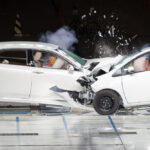
A serious wrong-way collision on US-131 in Grand Rapids Michigan raised urgent questions about roadway safety, liability, and the legal rights of those injured in high impact crashes. According to reports from the Michigan State Police, a southbound passenger vehicle traveling in the northbound lanes struck another car head on shortly after midnight, sending both drivers to the hospital and forcing authorities to close the highway for several hours. Wrong-way incidents on divided highways are especially dangerous due to high speeds, limited reaction time, and increased likelihood of catastrophic injuries. These events require detailed investigations involving law enforcement, emergency responders, and insurance carriers. Many individuals involved in similar collisions seek guidance from Grand Rapids, Michigan accident attorneys to understand how fault is determined and which legal protections apply under Michigan law.
What Happened or What the Case Involves
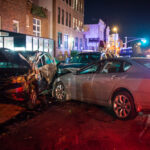
The crash occurred on the northbound lanes of US-131 near Burton Street SW, where state troopers responded to reports of a vehicle traveling in the wrong direction. Upon arrival, investigators found two heavily damaged passenger vehicles and debris scattered across multiple lanes. Emergency crews transported both drivers to a hospital for treatment. Wrong-way events on major corridors often prompt a full reconstruction by the Michigan State Police to identify contributing factors such as impaired driving, fatigue, poor visibility, or confusion at entrance ramps. Reporting on accident attorneys in Grand Rapids notes that these collisions commonly require extended closures so investigators can document skid marks, impact points, and roadway conditions.
What Laws Apply or What Causes This Type of Case
Michigan law prohibits driving the wrong direction on a limited access highway, and violations can result in criminal charges as well as civil liability. Liability determinations focus on whether the wrong-way driver acted negligently by failing to follow posted signage, entering an incorrect ramp, or operating a vehicle while impaired. Michigan’s no fault insurance system requires each driver’s insurer to cover initial medical expenses and wage loss, regardless of fault. However, claims for pain and suffering or excess damages may be available when injuries meet the state’s threshold for serious impairment of body function. These standards are frequently analyzed by Michigan accident attorneys when advising injured motorists on potential recovery.
Key Legal Questions or Issues for Injured Drivers
In the aftermath of a wrong-way crash, injured individuals often want to know how fault will be assigned, what their insurance policies will cover, and whether the wrong-way driver can be held financially responsible. Questions also arise about whether additional compensation may be available if medical expenses exceed no fault benefits or if long term disabilities develop. Michigan law imposes strict deadlines for filing claims, and failure to act promptly can limit legal options. Those navigating these issues may consult legal resources available through attorneys to understand how evidence, police reports, and medical documentation support accident related claims.
How Attorneys Help or Why Legal Counsel Matters
Legal representation can be essential when collisions involve high impact head on crashes and significant injuries. Neumann Law Group provides legal support in these cases by reviewing police investigations, analyzing video footage, and securing medical records to establish the extent of injuries. Attorneys at Neumann Law Group evaluate whether the serious impairment threshold has been met, determine which insurers are responsible for payment, and negotiate with adjusters to reach fair settlements. A law firm with specific experience in Michigan auto collision law offers advantages in interpreting no fault requirements, evaluating liability, and preparing claims for litigation when necessary. Many individuals begin this process by requesting a Free Consultation to understand how their injuries and circumstances fit within Michigan’s accident compensation framework.
Prevention, Safety, or Legal Awareness
Wrong-way crashes on highways like US-131 are often linked to impaired driving, driver confusion, or missed signage. Transportation agencies in Michigan continue to evaluate ramp designs, warning systems, and traffic flow patterns to reduce the likelihood of vehicles entering the roadway incorrectly. Public safety campaigns encourage motorists to remain alert, avoid impaired driving, and report suspected wrong-way vehicles immediately. Discussions involving Grand Rapids, Michigan accident attorneys highlight how preventive measures, infrastructure improvements, and enforcement efforts can help reduce the severity and frequency of these dangerous incidents.
Conclusion
The wrong-way crash on US-131 in Grand Rapids Michigan illustrates how quickly a single mistake can lead to severe injuries, road closures, and complex legal questions. Neumann Law Group assists injured drivers by assessing liability, interpreting no fault rules, and guiding individuals through the claims process required to secure compensation. Understanding the legal framework governing wrong-way collisions, along with the steps investigators take after such events, helps motorists protect their rights and make informed decisions following a serious highway crash.
Neumann Law Group
Prudential Tower
800 Boylston St, 16th Floor
Boston, MA 02199
(617) 918-7790