
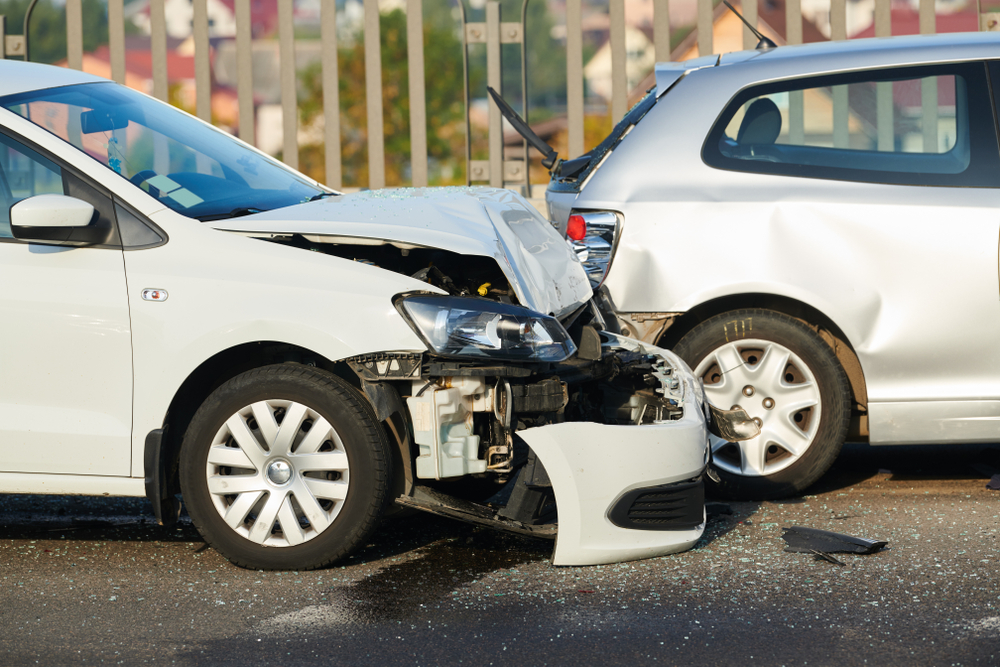
Why Did High Winds Trigger Pileups in Grand Rapids, Michigan?
Severe winter weather swept across western Michigan, creating hazardous driving conditions that led to widespread power outages and multiple vehicle crashes near Grand Rapids, Michigan. A rapid drop in atmospheric pressure, commonly described as a bomb cyclone, produced intense wind gusts, rapidly falling temperatures, and periods of blowing snow. Roads that appeared wet quickly turned icy, particularly on elevated highways and ramps. These conditions contributed to chain reaction crashes involving passenger vehicles and commercial trucks, raising important legal questions about driver responsibility during extreme weather. In Michigan, weather related collisions are analyzed through the lens of driver conduct rather than the storm itself, which is why motorists involved in these incidents often seek guidance from accident attorneys when evaluating their legal options after a major pileup.
What Happened on Highways Near Grand Rapids
During the height of the storm, the Michigan Department of Transportation reported multiple crashes along major routes serving the Grand Rapids area, including stretches of US 131 and Interstate connectors impacted by high winds and ice. Michigan State Police documented clusters of collisions involving both passenger cars and tractor trailers, many of which occurred within minutes of each other as visibility dropped and vehicles lost traction. Tow trucks were dispatched to clear damaged vehicles, and lane closures were implemented to prevent further harm. Although some drivers escaped without injury, others faced significant property damage and traffic delays lasting several hours. Investigations following these events often form the basis of claims reviewed by Grand Rapids Michigan accident attorneys handling complex winter crash scenarios.
What Laws Apply to Winter Weather Crashes
Michigan law requires drivers to operate at a speed and manner that is reasonable under current road and weather conditions. This legal standard applies regardless of posted speed limits and places responsibility on drivers to adjust for snow, ice, and wind. Michigan State Police routinely emphasize that adverse weather does not excuse unsafe driving behavior. In pileup cases, investigators examine speed, braking distance, lane control, and whether drivers heeded weather advisories issued by the National Weather Service. When commercial trucks are involved, additional federal safety regulations may also apply. These legal principles are frequently analyzed by attorneys when determining fault and potential liability after severe winter crashes.
Key Legal Questions for Injured Drivers
Drivers involved in multi vehicle pileups near Grand Rapids often ask how fault is assigned when dozens of vehicles are damaged under the same conditions. Liability may be shared among multiple drivers if evidence shows unsafe following distances or excessive speed for the conditions. Questions also arise regarding Michigan’s no fault insurance system, including access to personal injury protection benefits and the circumstances under which third party claims may be pursued. Commercial vehicle involvement adds another layer of complexity due to regulatory oversight and company liability. These issues are commonly discussed in reporting on accident in Michigan and addressed during post crash investigations.
How Attorneys Help After Grand Rapids Pileups
Legal counsel plays a critical role after large scale winter crashes, especially when multiple insurers and defendants are involved. Neumann Law Group provides legal support in cases involving severe weather collisions by reviewing crash reports, roadway conditions, vehicle damage patterns, and available weather data. Attorneys at Neumann Law Group assess whether drivers acted reasonably given known hazards and whether trucking companies complied with safety obligations. Choosing a law firm with experience handling winter weather crashes offers the advantage of familiarity with how Michigan courts evaluate driver conduct during storms. Many individuals begin this process through a Free Consultation to understand their rights and obligations.
Prevention and Legal Awareness for West Michigan Drivers
Winter storms are a recurring reality for drivers in and around Grand Rapids, making legal awareness an important part of seasonal preparedness. Agencies such as the Michigan Department of Transportation and the National Weather Service issue warnings about snow squalls, wind gusts, and rapidly changing road conditions. Drivers are expected to respond by reducing speed, increasing following distance, and remaining alert for disabled vehicles. From a legal standpoint, these actions can significantly influence how fault is determined after a crash. Education on these responsibilities is often emphasized by Michigan accident attorneys who regularly handle winter collision claims.
Conclusion
The winter pileups near Grand Rapids, Michigan demonstrate how quickly extreme weather can transform everyday travel into a complex legal situation. While storms create dangerous conditions, Michigan law focuses on driver decisions made in response to those hazards. Understanding applicable traffic laws, insurance rules, and investigative procedures can help motorists protect their rights after a crash. For many affected drivers, consulting Michigan accident attorneys provides clarity on liability, compensation, and the steps needed to move forward after severe winter weather collisions.
Neumann Law Group
Prudential Tower
800 Boylston St, 16th Floor
Boston, MA 02199
(617) 918-7790